
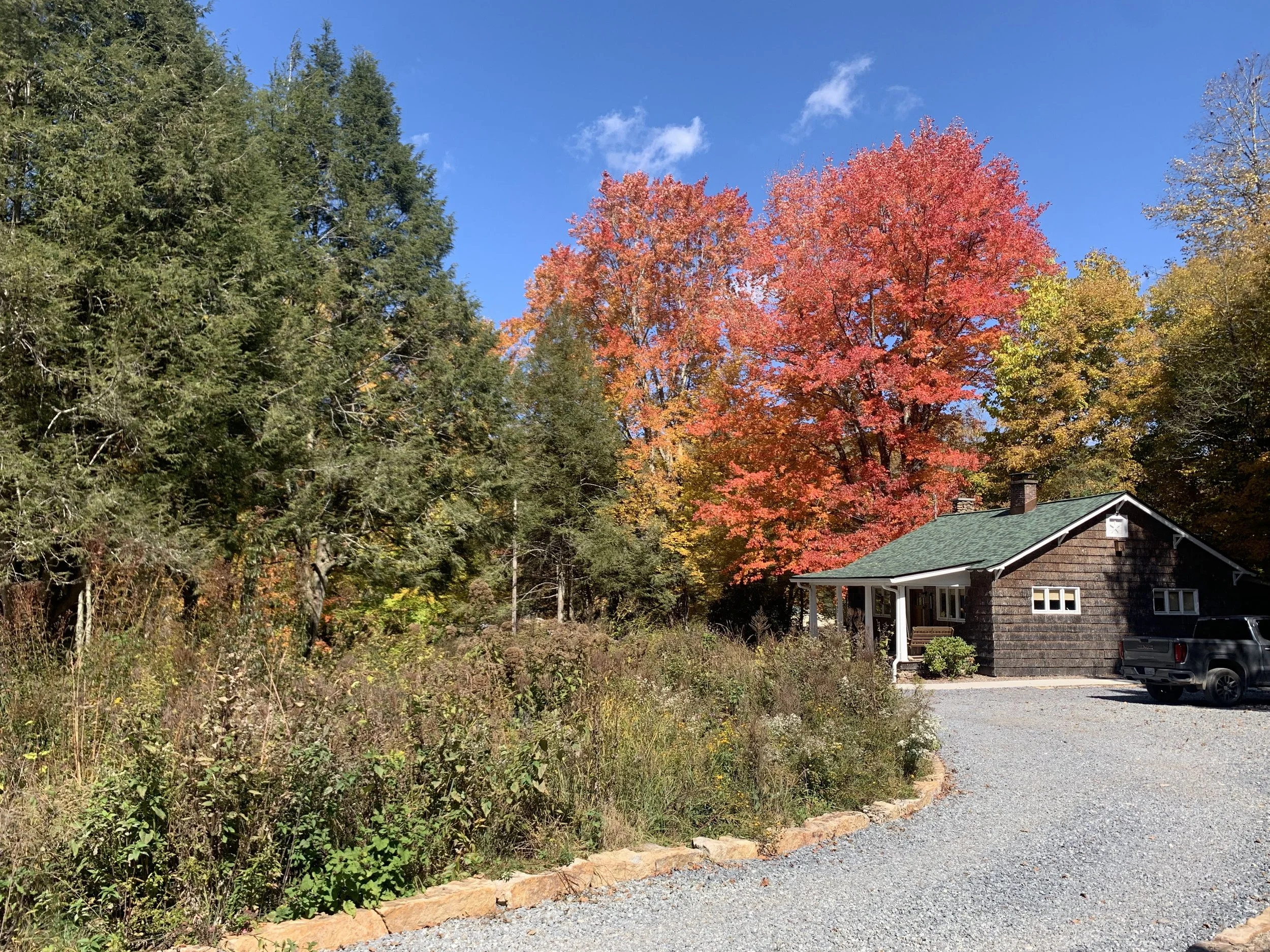
As the seasons change, the natural world around us begins a beautiful transformation. Lush green mountainsides begin boasting brilliant displays of reds, oranges, and yellows that tell us the cold months are underway. Underneath the excitement and beauty of autumn is a question: where do these colors come from? And why does the change happen gradually, changing color in some locations before others?
The answer starts with chlorophyll, the pigment that gives leaves their distinctive green color. During the growing season trees produce chlorophyll, collecting energy from the sun through photosynthesis and creating that verdant green we see in the spring and summer. When days get shorter and the nights grow colder, trees cease chlorophyll production and begin preparing for winter dormancy. In the mountains where we receive colder average temperatures, leaves change colors much earlier in comparison to other elevations.
Chlorophyll isn’t the only pigment that colors leaves. Carotenoids are another group of pigments commonly made by trees, but often outshined by the mass production of chlorophyll. Carotenoids produce a variety of yellows, oranges, and browns, and are responsible for giving carrots, corn, and bananas their characteristic hue, as well as fall leaves. When chlorophyll fades away, carotenoids become visible, causing trees like Green Ash (Fraxinus pennsylvanica) and Tulip Poplar (Liriodendron tulipifera) to display vibrant bright yellow color through the fall season.
The brilliant reds we see in the fall come from a pigment called Anthocyanin. After a tree is done producing chlorophyll, it breaks the pigment down and saves the nutrients to use again next spring, creating anthocyanin as a byproduct. If a tree makes a lot of anthocyanin, its leaves turn red in autumn–Red Maple (Acer rubrum) is a fantastic example. Outside of trees, anthocyanin also gives strawberries, blueberries, cranberries, and many other fruits and vegetables their distinct coloration.
Once the leaves fall, nature has a way of reclaiming them. When leaves fall to the ground in the autumn, they aren’t wasted–they actually become very important parts of the ecosystem! Insects like lightning bugs, small mammals, and amphibians use leaf litter to hibernate through the cold months, and without these leaves their survival is unlikely. Leaf litter also serves as a way to bring nutrients back into the soil, keeping the forests thriving for generations to come! So, next time you spend time outside, take a moment to look at the leaves on the trees, and think about the science behind the beauty.