
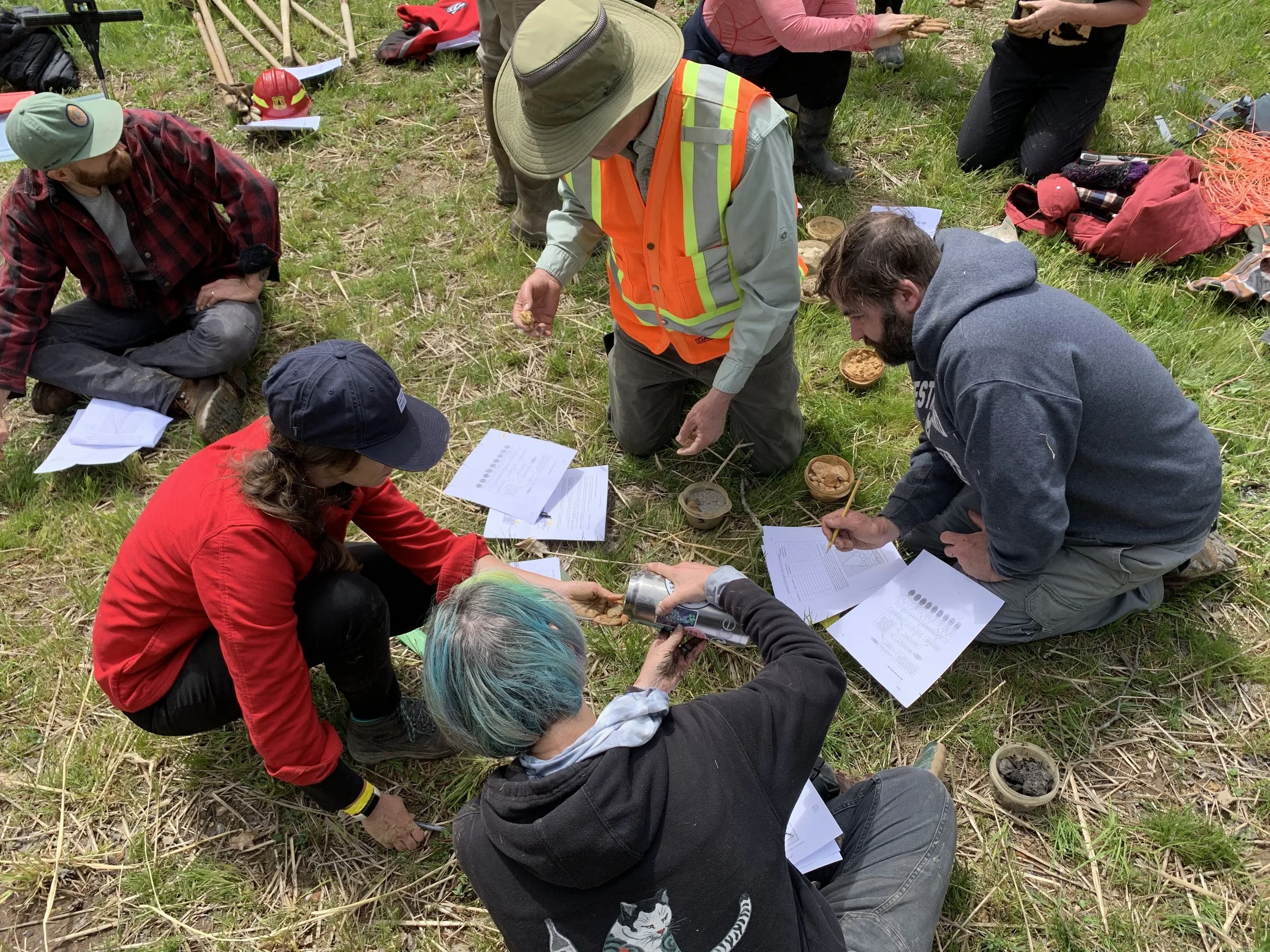
It is no joke that April 1st kicks off Citizen Science Month!
Every April, we celebrate different people, projects, and scientific discoveries that are made possible through the public working with researchers on collaborative projects. Together as a community, people all around the globe practice this public participation in the scientific process with a shared goal to increase our collective knowledge–what a great thing!
So, what exactly is citizen science?
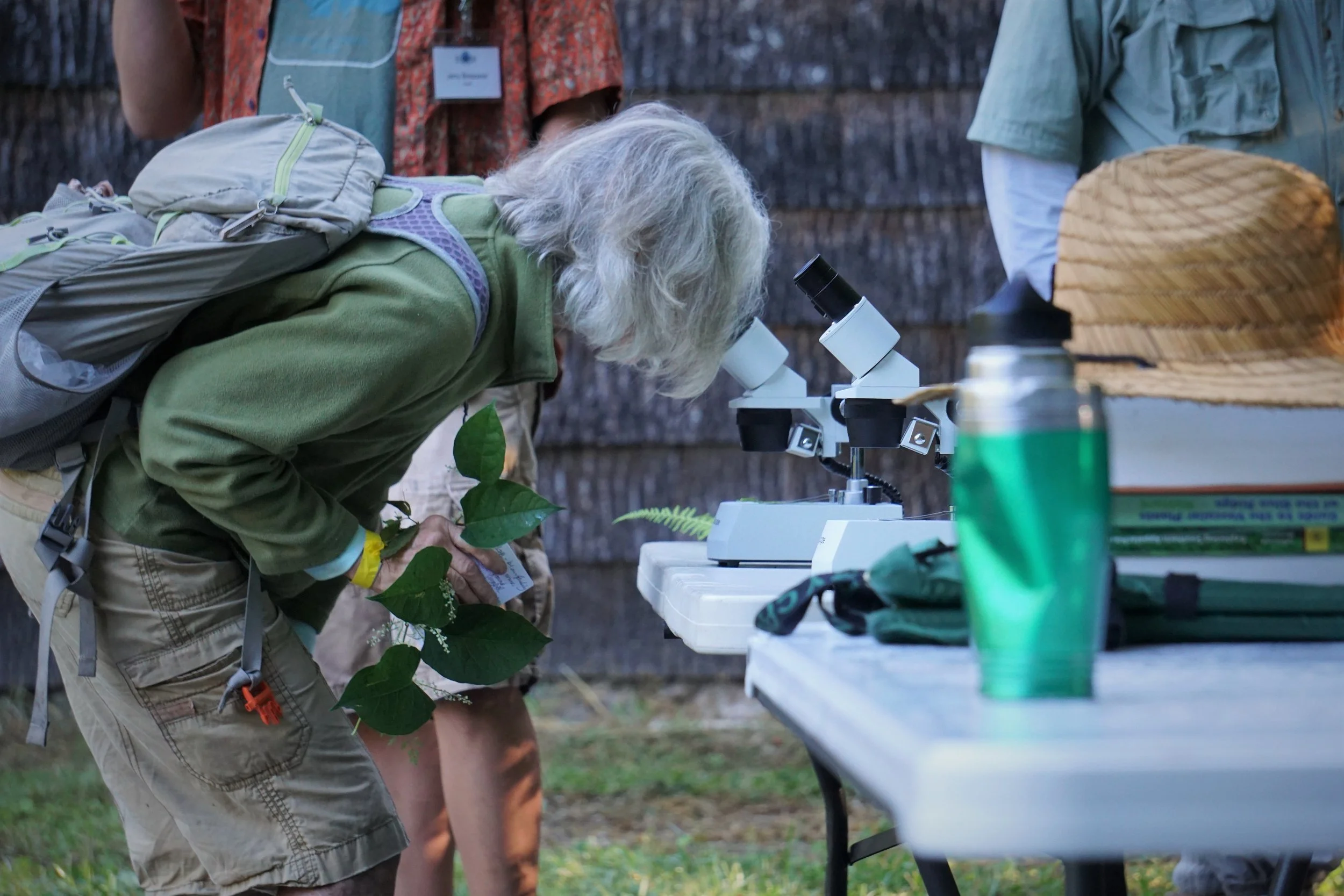
Citizen science–sometimes called community science–includes the collection and analysis of data by the general public. In this article we’ll continue to use the more inclusive term community science. Essentially, community science is research conducted by volunteers who may not be formally trained researchers or scientists. Citizen science allows space for everyone, regardless of their background knowledge, to contribute in scientific research, data collections, and projects such as monitoring local biodiversity.
Community science has endless benefits
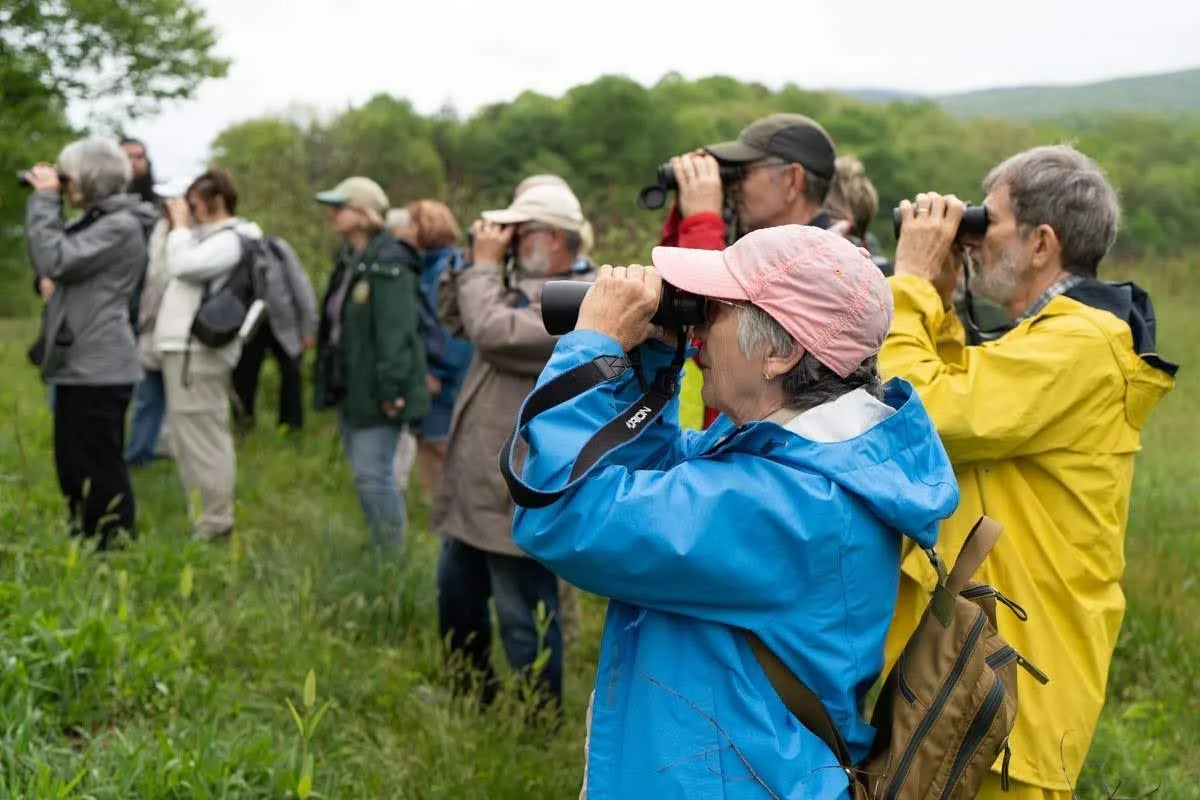
Community science is key for engaging people in the environmental world. It can be an educational experience that initiates further collaborations, and combining participants from different backgrounds fosters better understanding of science literacy for everyone involved. These projects can also bring a sense of purpose and community! Aspects of connection, care, and collective action feel prioritized, turning curiosity into stewardship. Managing invasive species, for instance, often creates feelings of empowerment for the public, creating a community with a positive impact for their local flora and fauna.
Crowdsourcing
Often, community science projects operate through forms of crowdsourcing. Many organizations will promote open calls for contributions that can be found throughout many different networks. Data collected through community science volunteers allows for scientists to surpass what could be achieved on their own, eliminating cost restraints and allowing larger areas to be covered in longer timeframes than normal. This allows for a rare chance to gather information trends that may not be possible without support.
The role of technology in community science
Recent modern advances in technology create a more accessible community than ever before. Examples include iNaturalist and eBird,which allow citizens to collect data easier and more efficiently through a phone app! Technology, including smartphones, have become a huge tool for monitoring natural populations everywhere and inspiring thousands of volunteers to join in
collecting, analyzing, and sharing data.
Types of community science
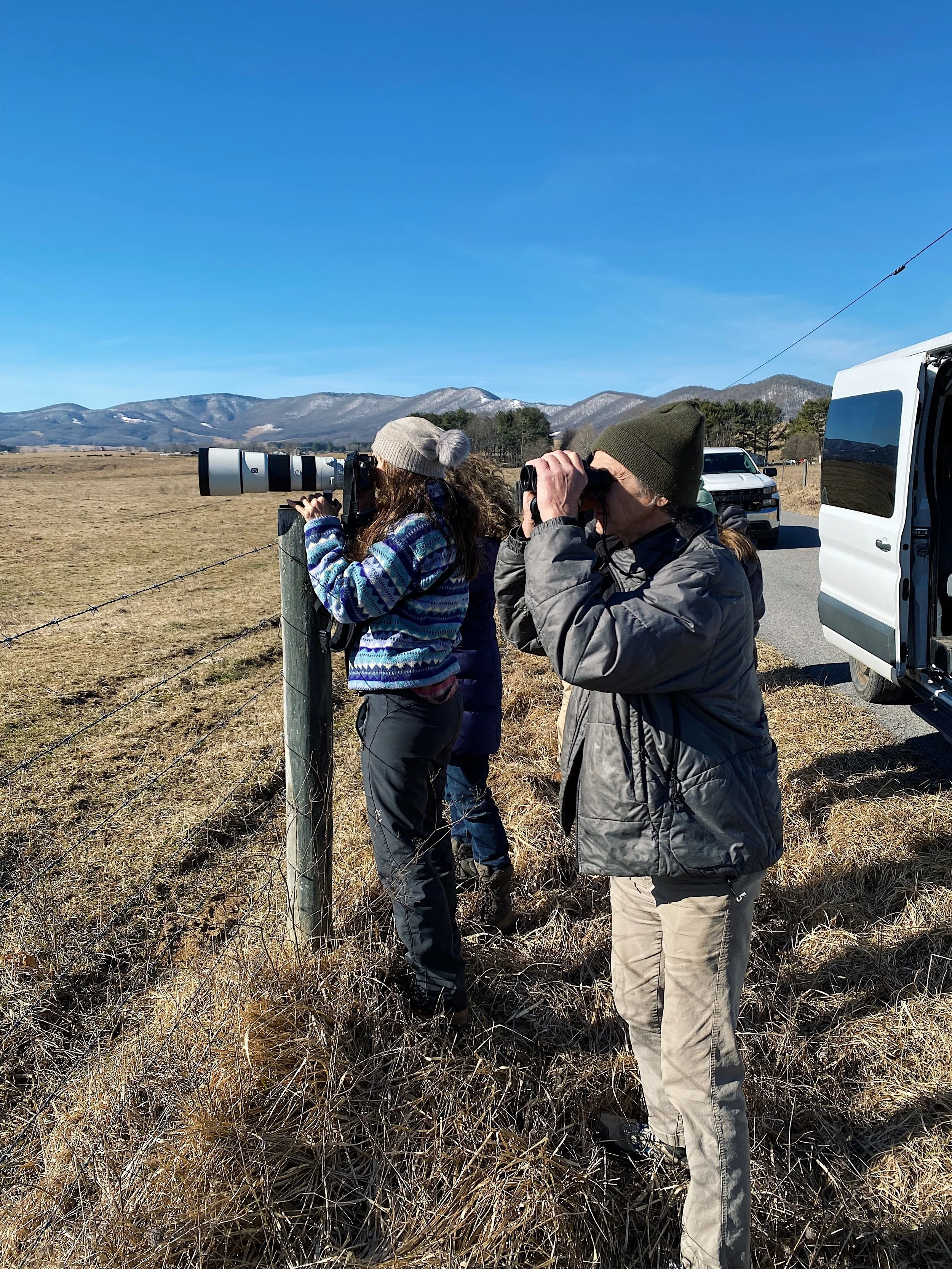
Community science is a broad initiative that contains many types of research, data collection, and analysis. Community science can look like:
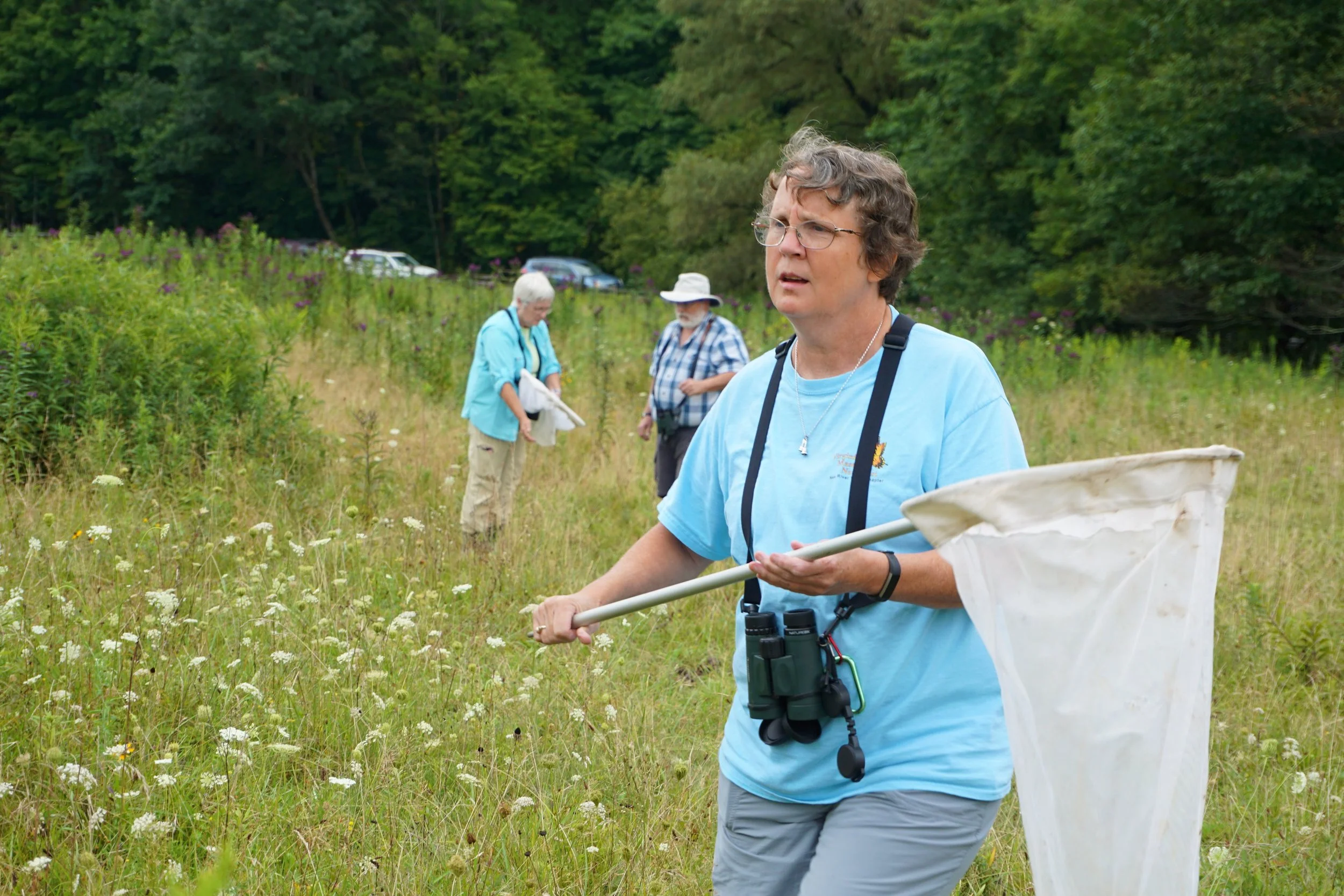
Biodiversity tracking (Audubon bird counts & North American Butterfly Association butterfly counts)
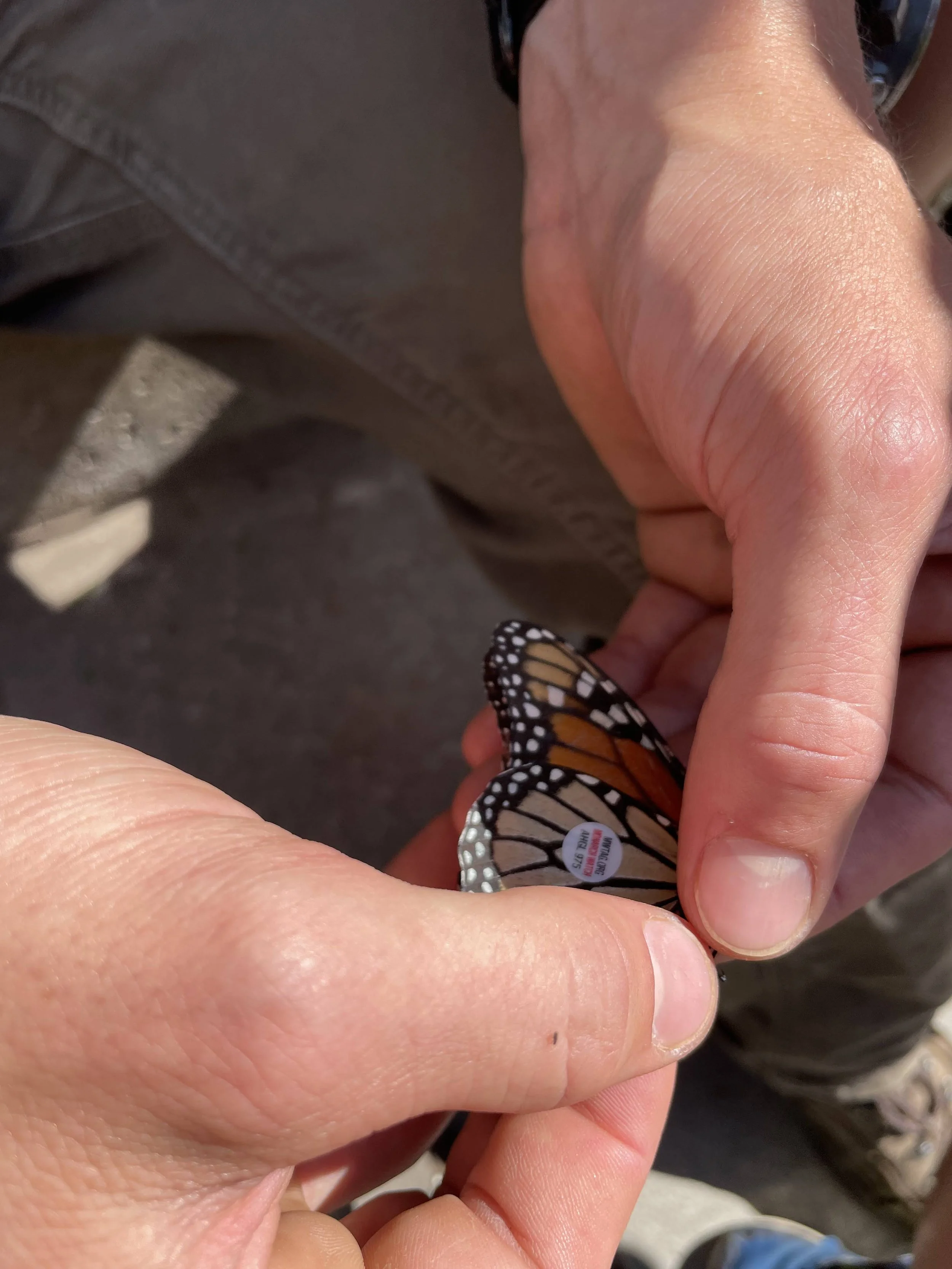
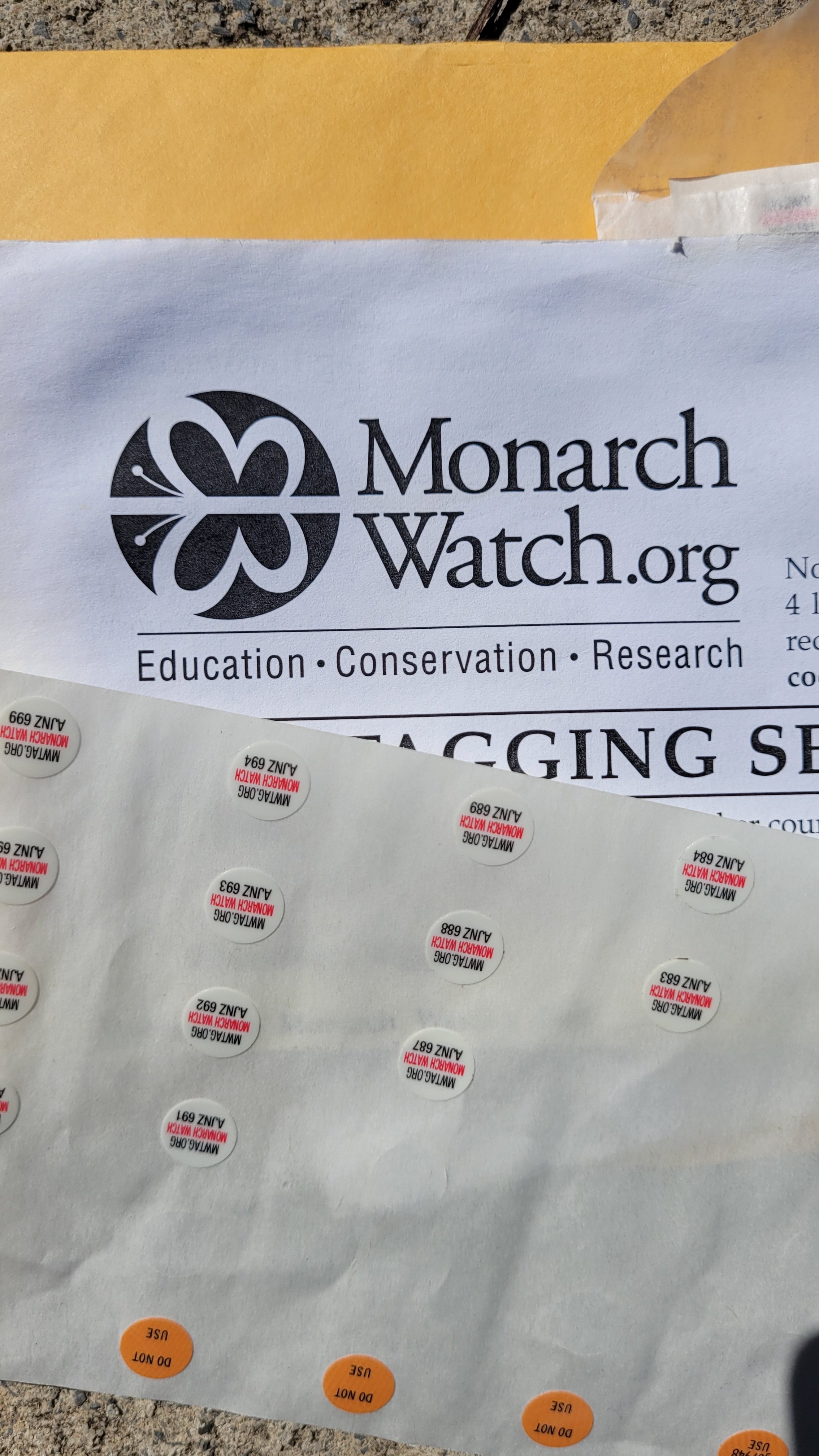
Pollinator surveys (Monarch Watch)
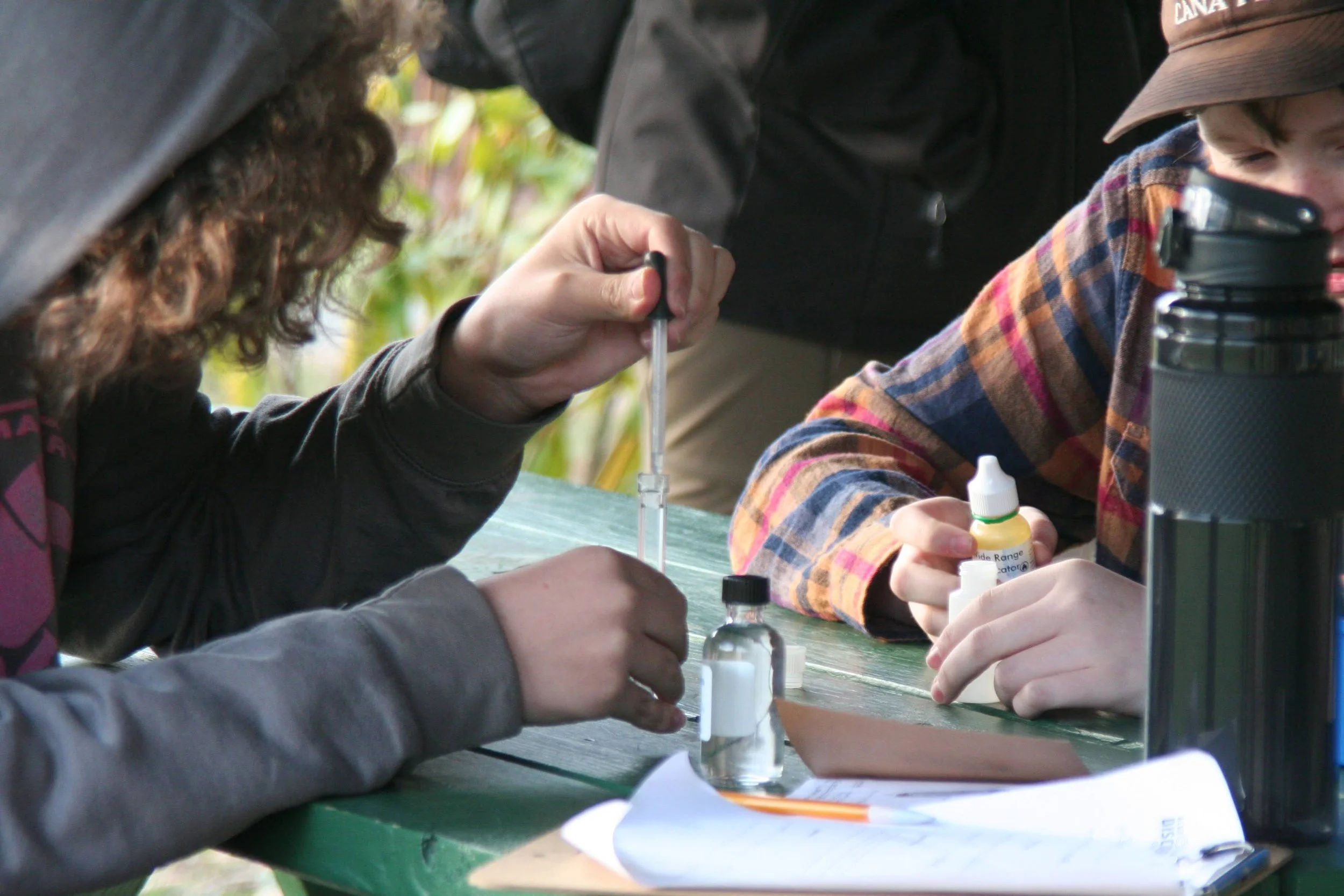
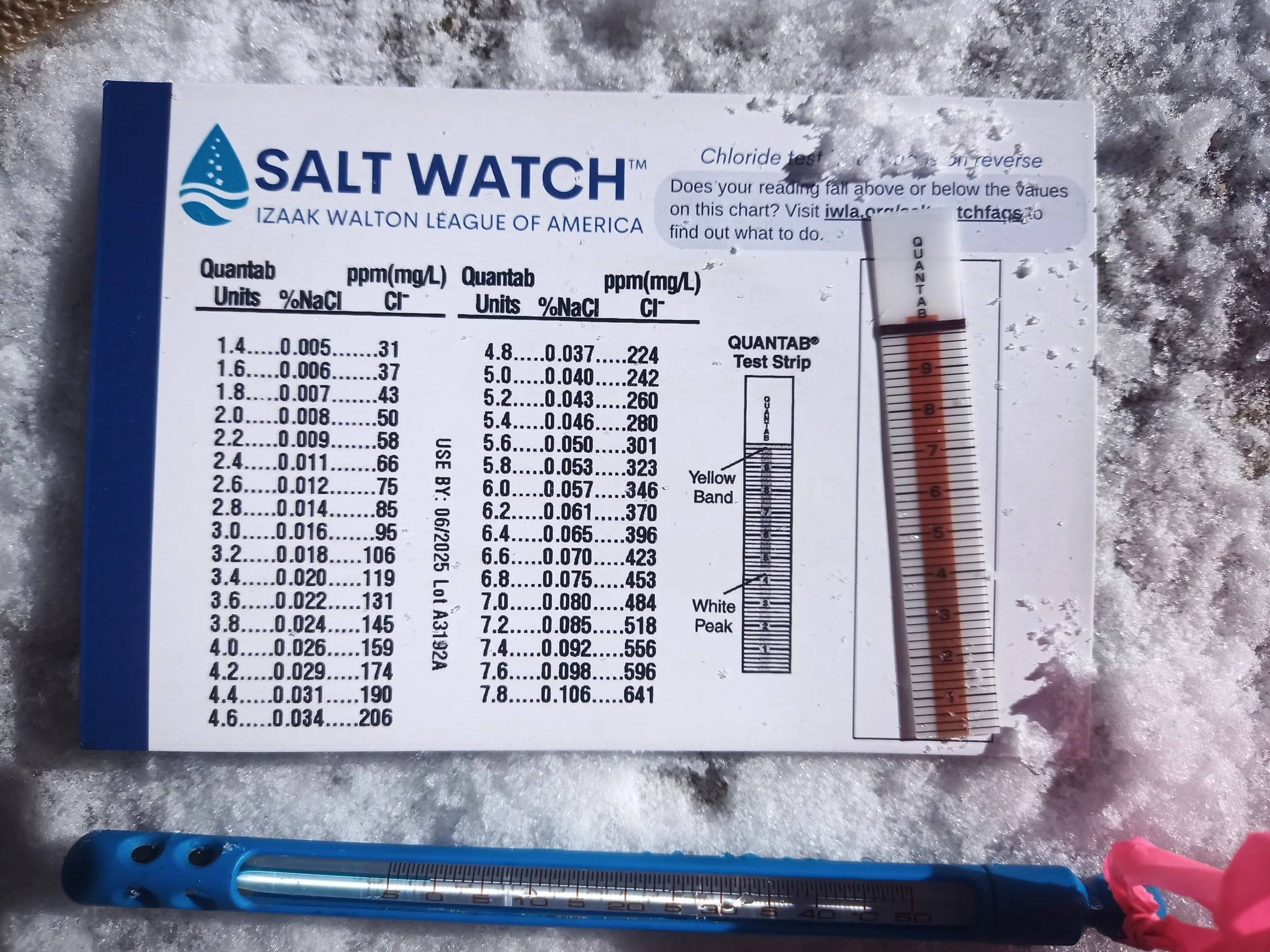
Environmental monitoring (Salt Watch)
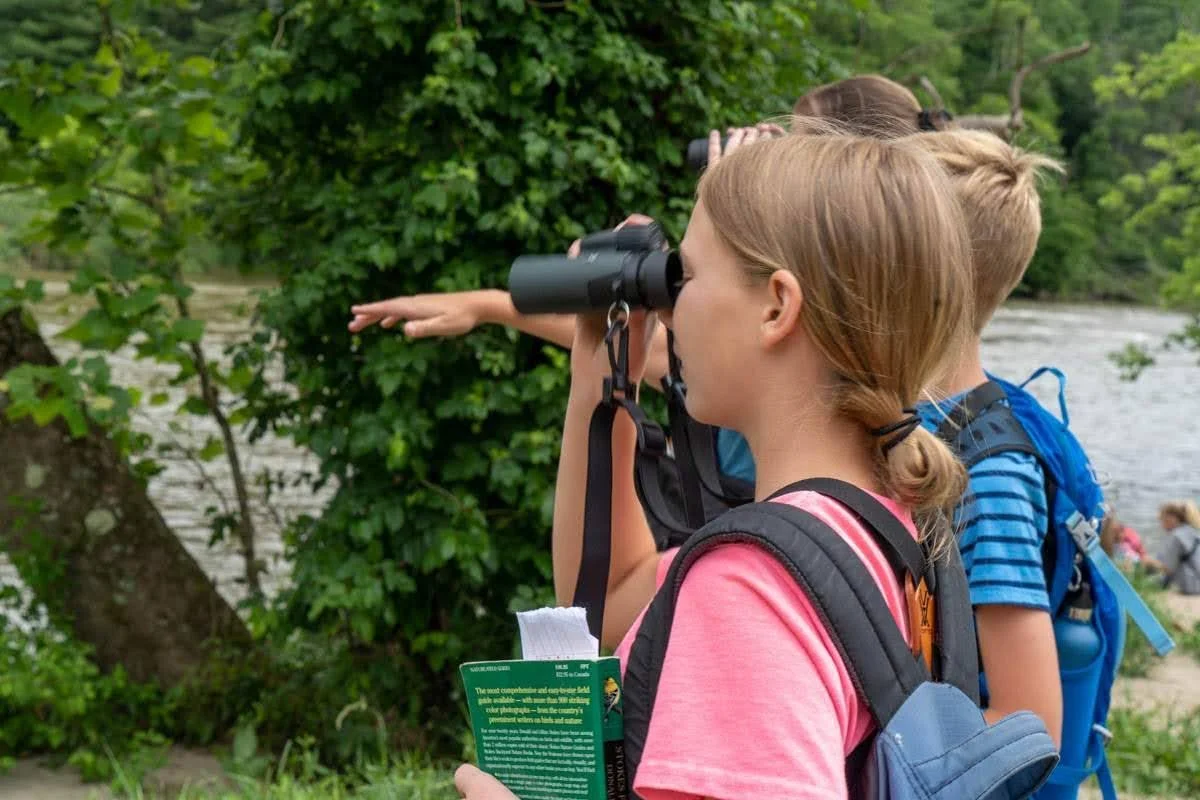
Of course, there are other types of community science and more projects than we can count! At BRDC, our current community science projects are focused on wildlife monitoring and pollinator surveys. Community science is also an important piece of our summer camp curriculum and school programming, as we want our youth to know how they can appreciate the biodiversity of the Blue Ridge and practice stewardship of our natural resources. During Ornithology Camp, we use eBird to record our observations!
Participating in Community Science at BRDC
At BRDC, we’re big advocates for community science. It’s our mission to inspire curiosity, discovery, and stewardship through the wonders of the Blue Ridge–and we do that by hosting several community science projects each year.
Everyone from experienced researchers to budding naturalists alike have many opportunities to participate in citizen science projects such as rallies, bird walks, butterfly counts and more! These events last throughout the whole year! Providing opportunities for conservation throughout generations
Our next community science project, the Spring Butterfly Count, will be on Sunday, April 19, so plan to join us for a full day of chasing butterflies! You can register for the butterfly count here.
Don’t stress if you can’t make it; we have several other community science projects on the calendar this year:
Mount Rogers Spring Naturalist Rally: May 8-10
Summer Butterfly Count: July 29
Mount Rogers Summer Naturalist Rally: August 7-8
Nighthawk Migration: August 30
Fall Butterfly Count: September 12
Mahogany Hawk Watch: September 20-24
Mount Rogers Fall Naturalist Rally: October 16-18
New River Christmas Bird Count: December 19
You can participate in community science anytime by visiting our campus and making observations and submitting the data online! (Call for availability, we close campus to the public when we have school groups, summer camps, and private events.)
Join our iNaturalist project: Biodiversity of Blue Ridge Discovery Center
Submit data on eBird: https://ebird.org/hotspot/L10166141
The great thing is, anyone can be a citizen scientist! No one lives through the same experiences, and valuable knowledge can be shared through these projects informing researchers and educators what drives biological change for the better. Plus, the more observations the better! When totaled, the data collected from community science can help to identify high priority concerns and prompt proper action.
So get out there and become a citizen scientist today! You can celebrate your local biodiversity by joining a community science project this April.