
The Sweet Taste of Summer: Summer Fruits
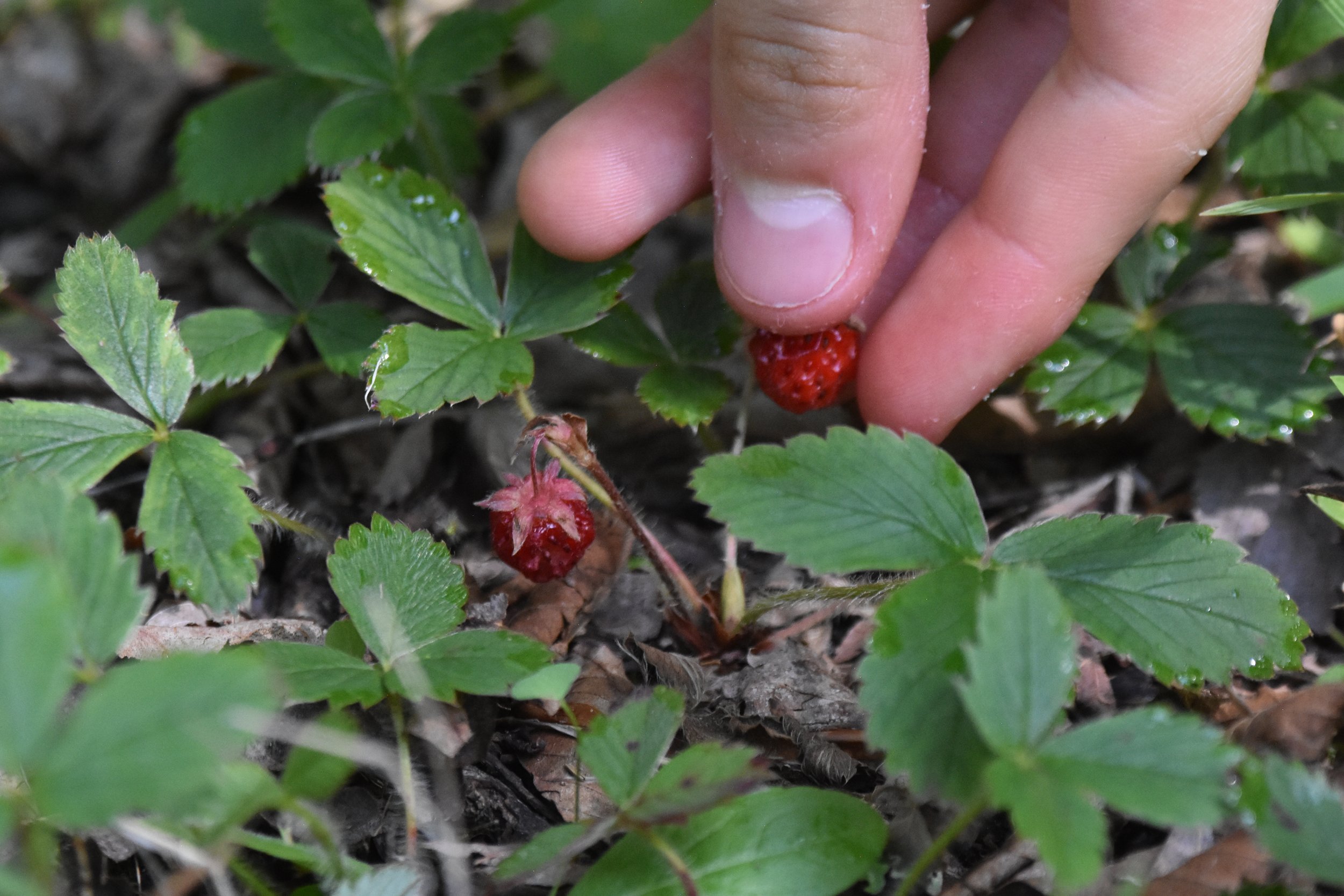
Delicious Wild Virginia Strawberries (Fragaria virginiana)—not to be confused with the bland and invasive mock strawberry.
There’s no better feeling than eating a refreshing bowl of fruit on a hot summer day. Turns out we share this common interest with many local critters–just like us, they too enjoy munching on the delicious fruits of the season. Here in the Blue Ridge Mountains, the summer season is bountiful with trees and shrubs that produce unique and delicious fruits!
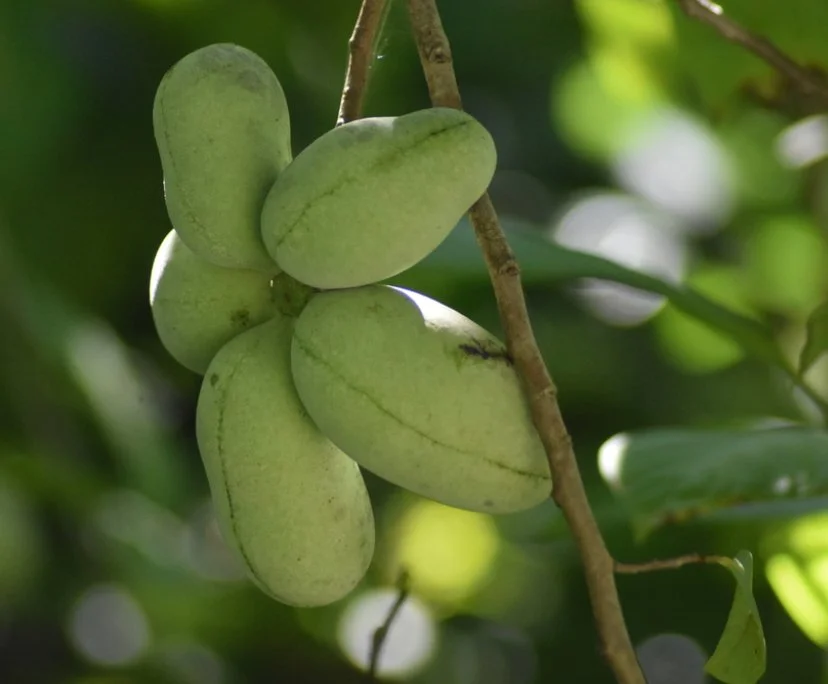
Foraging is very popular during this time of the year, and you may hear of others foraging for Allegheny Blackberry (Rubus allegheniensis) or even Wild Strawberries (Fragaria virginiana). Alongside many other favorites such as Blue Ridge Blueberry (Vaccinium pallidum), Common Pawpaw (Asimina triloba), and Spicebush (Lindera benzoin). All of these wild fruits are amazing finds for us, but they also play other environmental roles.
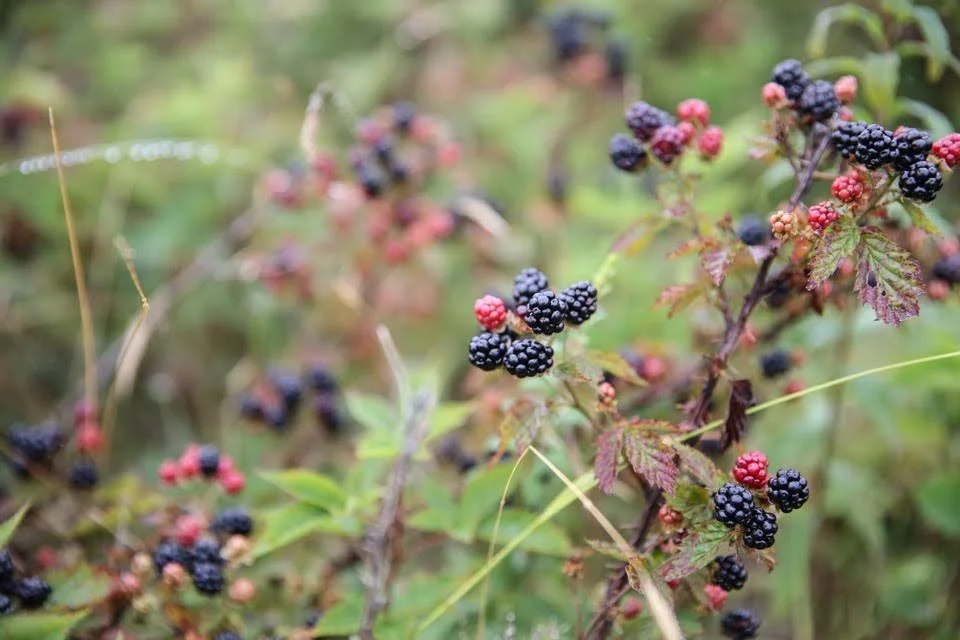
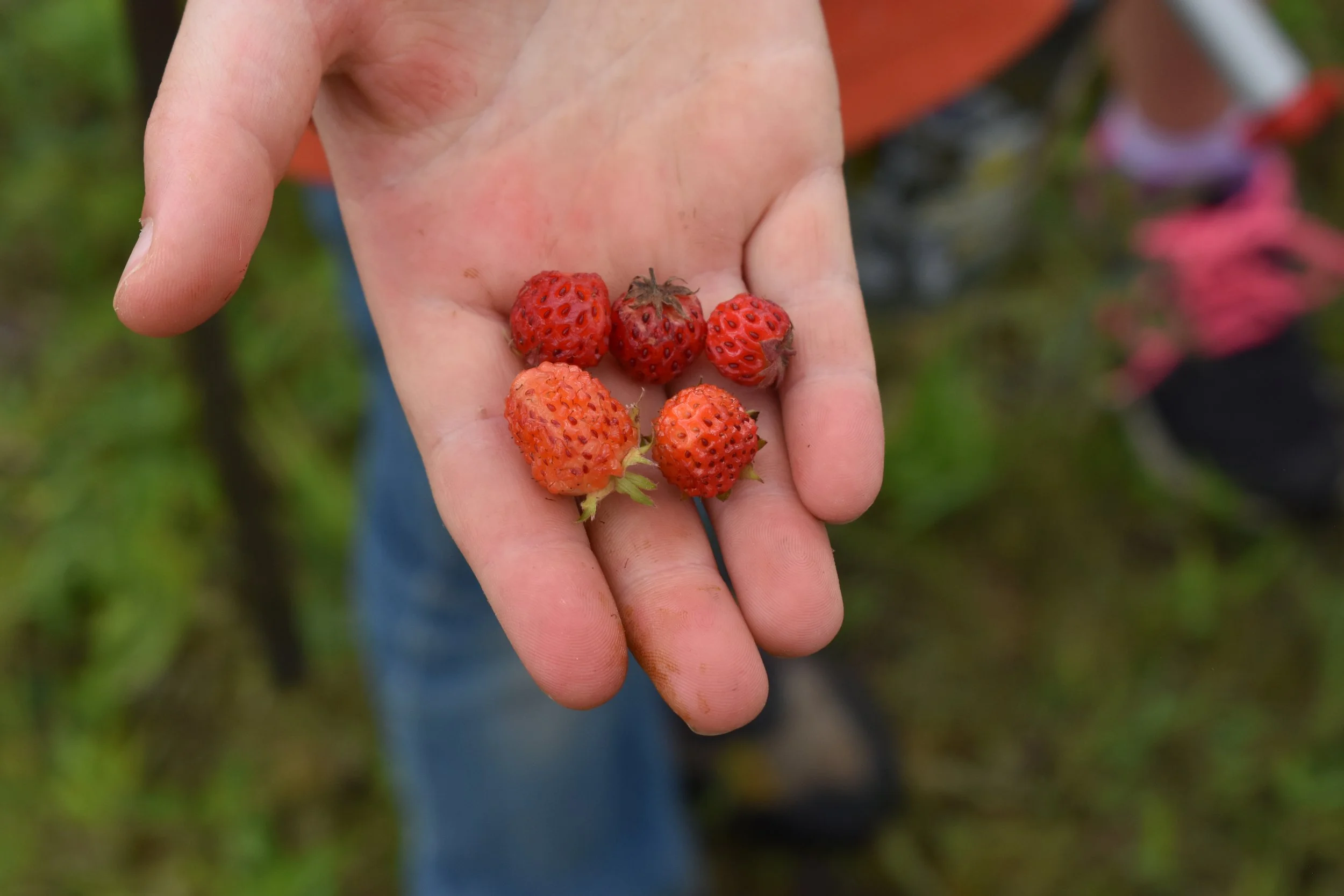
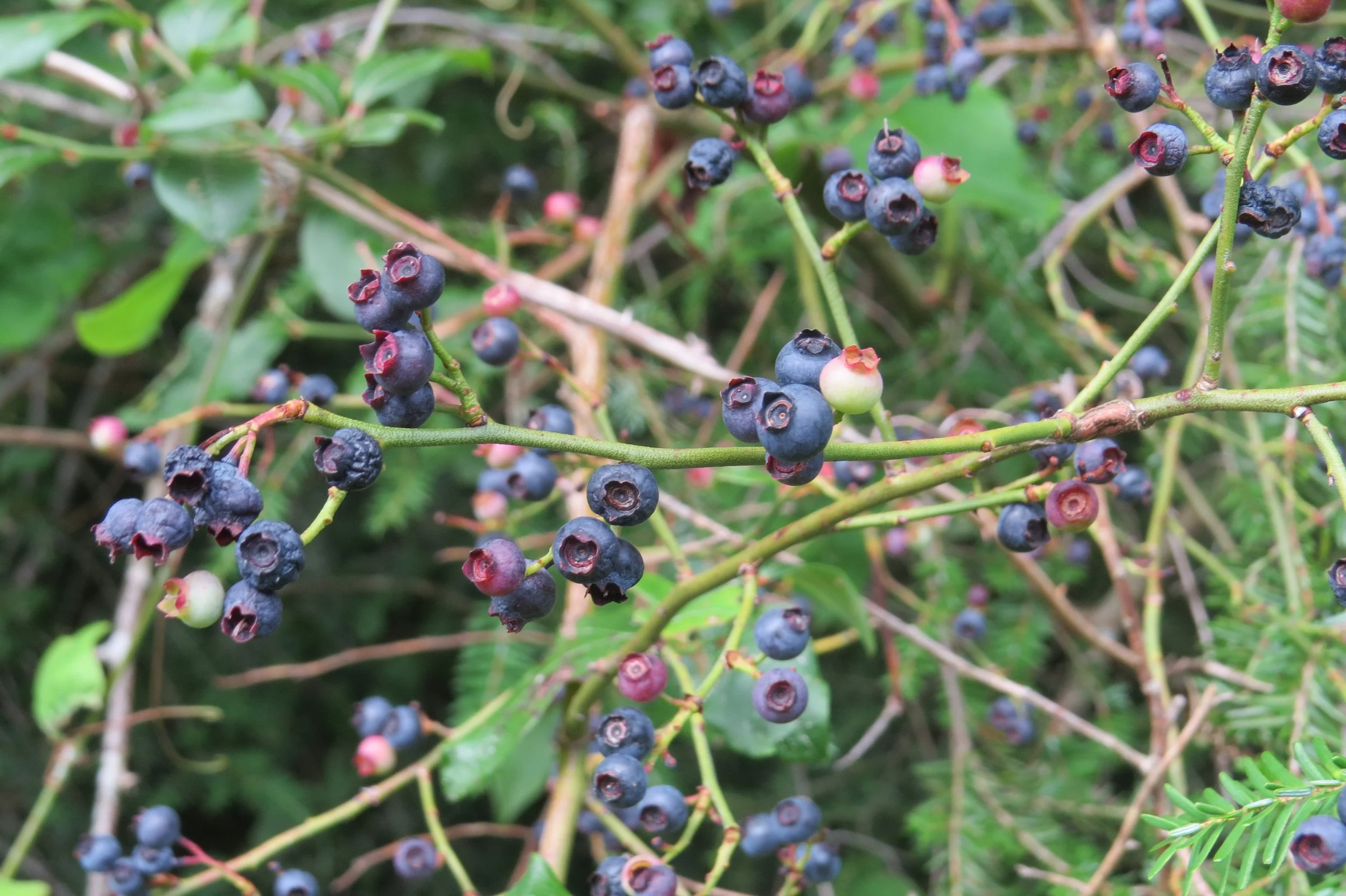
Did you know that animals also have favorite fruits to snack on? From large groups of animals such as birds, mammals, and even insects, these plants provide for our ecosystems and aid in many species’ survival. Likewise, the plants themselves sometimes rely on the surrounding wildlife to spread seeds and reproduce.
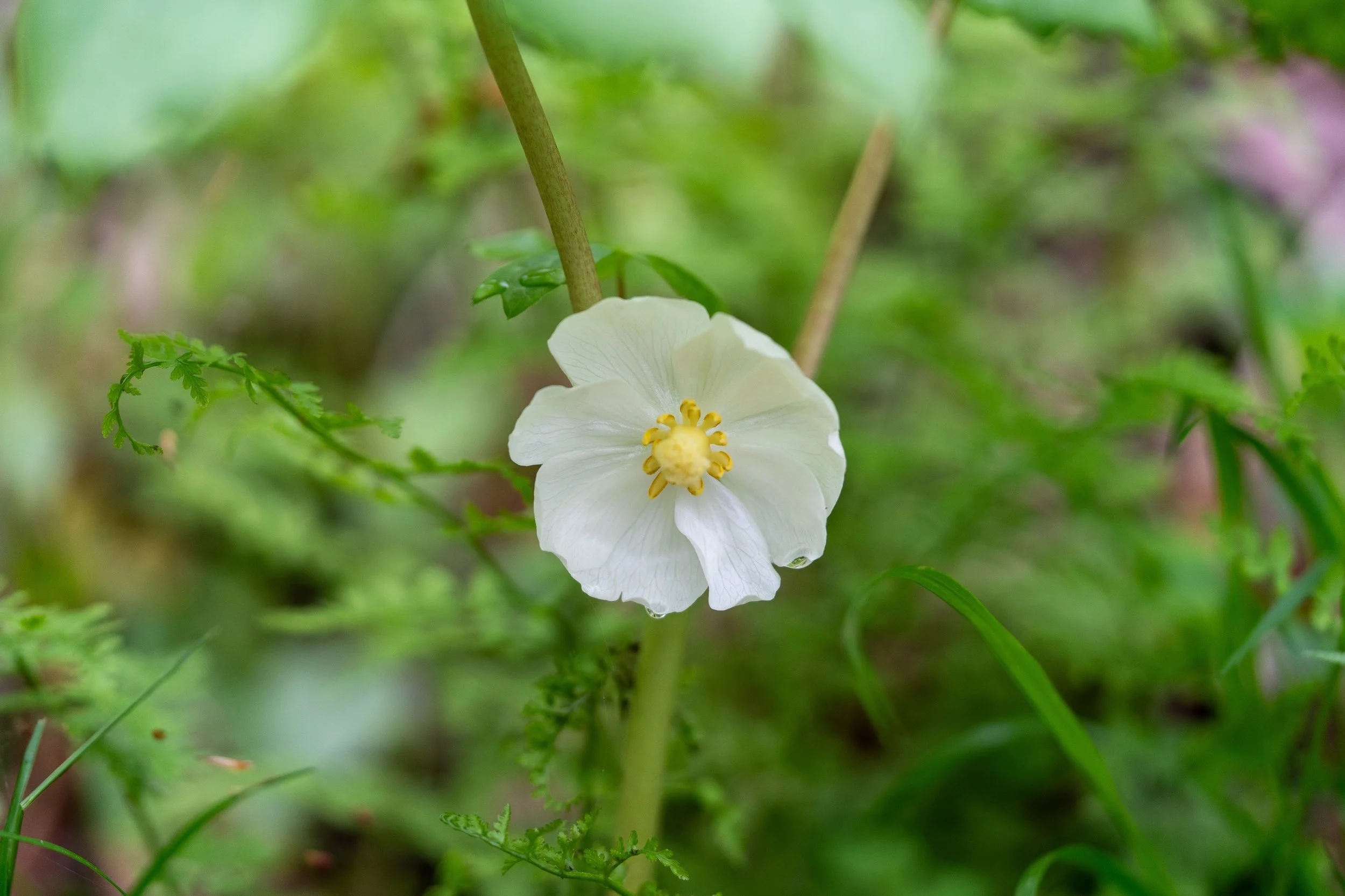
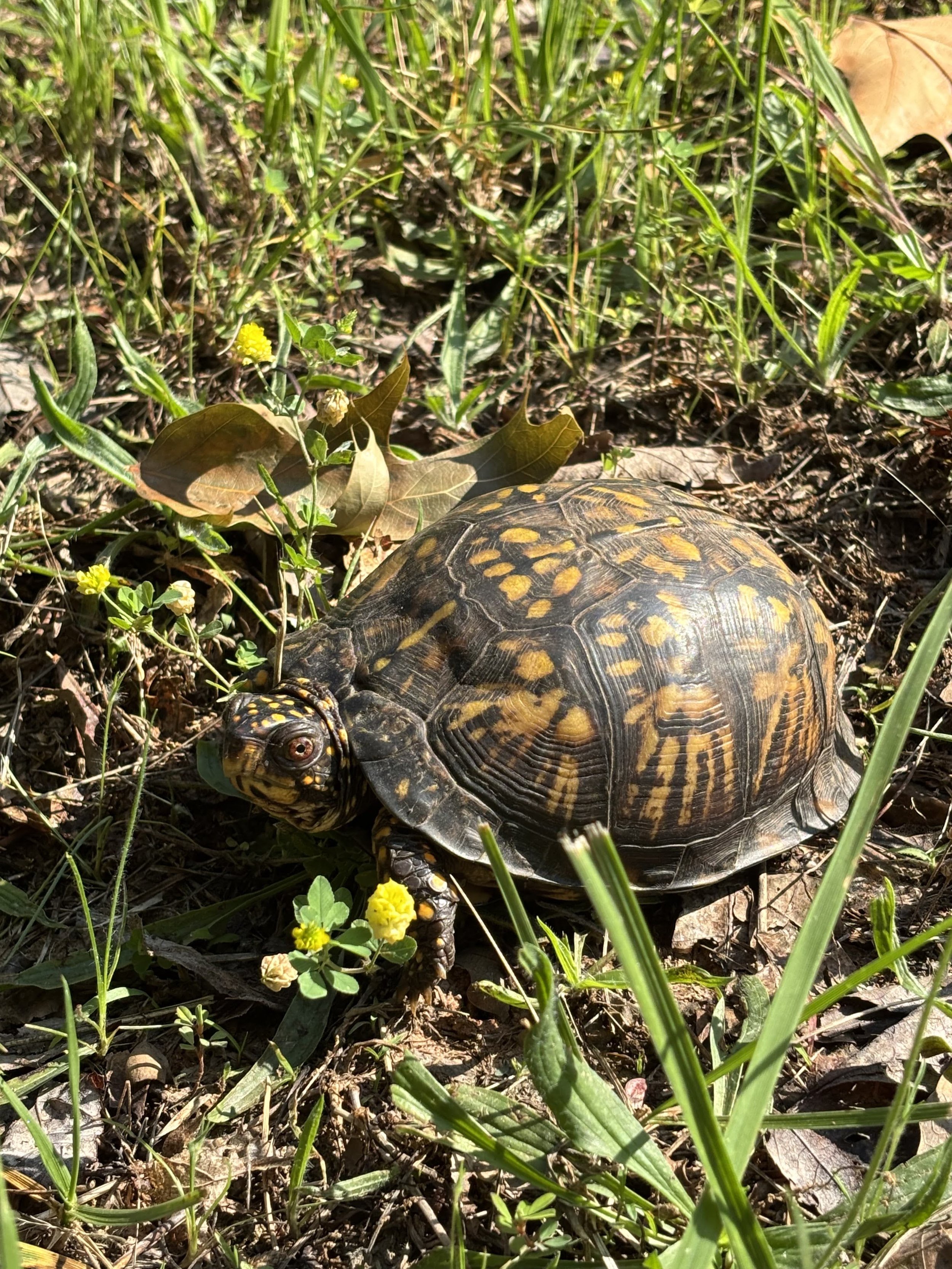
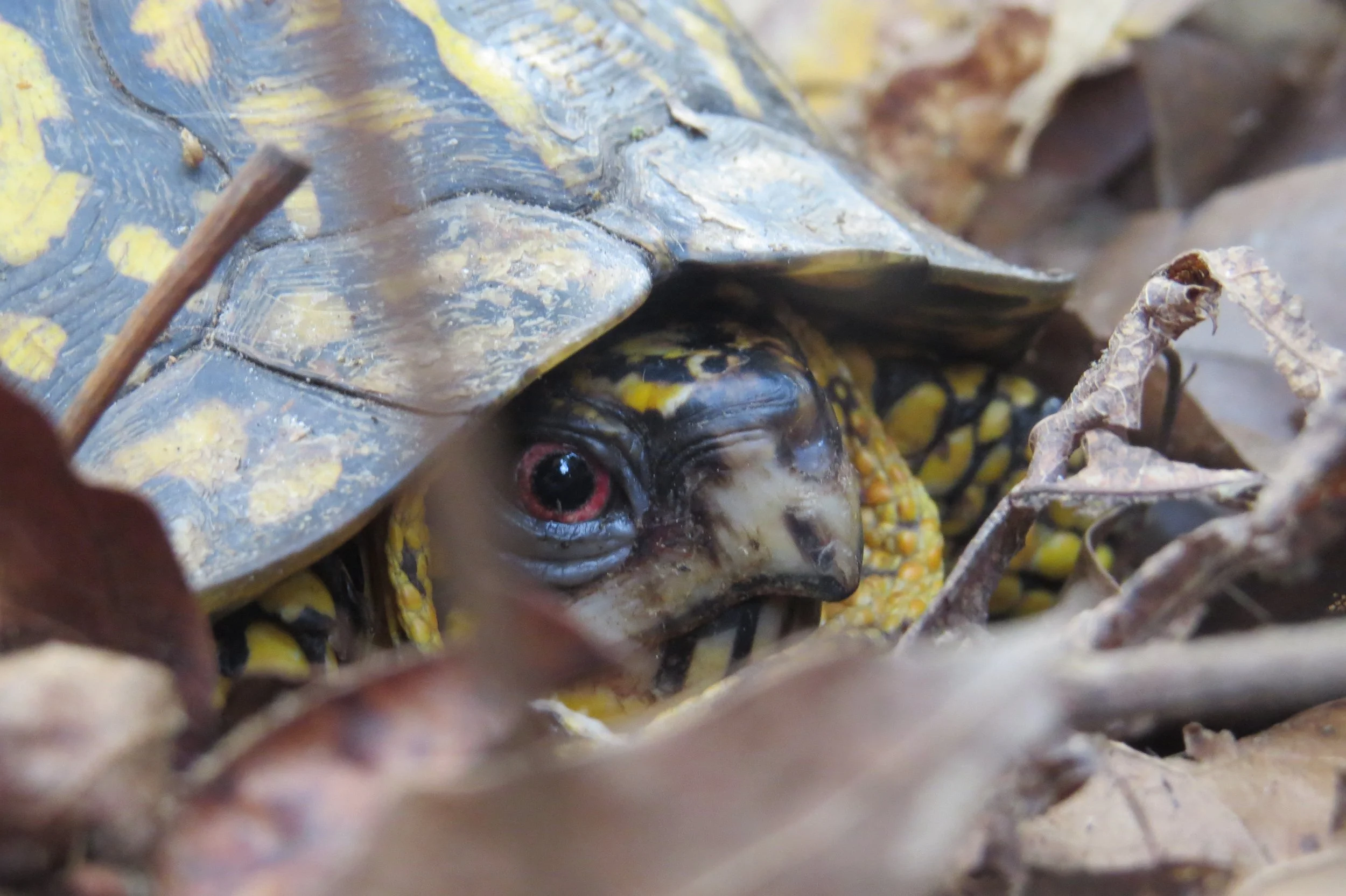
For example, the Common Mayapple (Podophyllum peltatum) is a woodland plant that, unlike the name suggests, produces a flower in May, later followed by a small, toxic, apple-like fruit in the later summer months. Mayapples rely on a specific forest friend to help disperse the seeds of its toxic fruit—the Box Turtle (Terrapene carolina)! Box turtles stand at the perfect height to reach the low fruits that hang underneath the plant's umbrella-shaped leaves. Seeds that pass through the box turtle’s digestive system are more likely to germinate than seeds that weren’t consumed by the turtle! This creates a unique relationship between both plant and animal species where the turtle relies on the plant for food, and the plant depends on the turtle to spread its seeds.
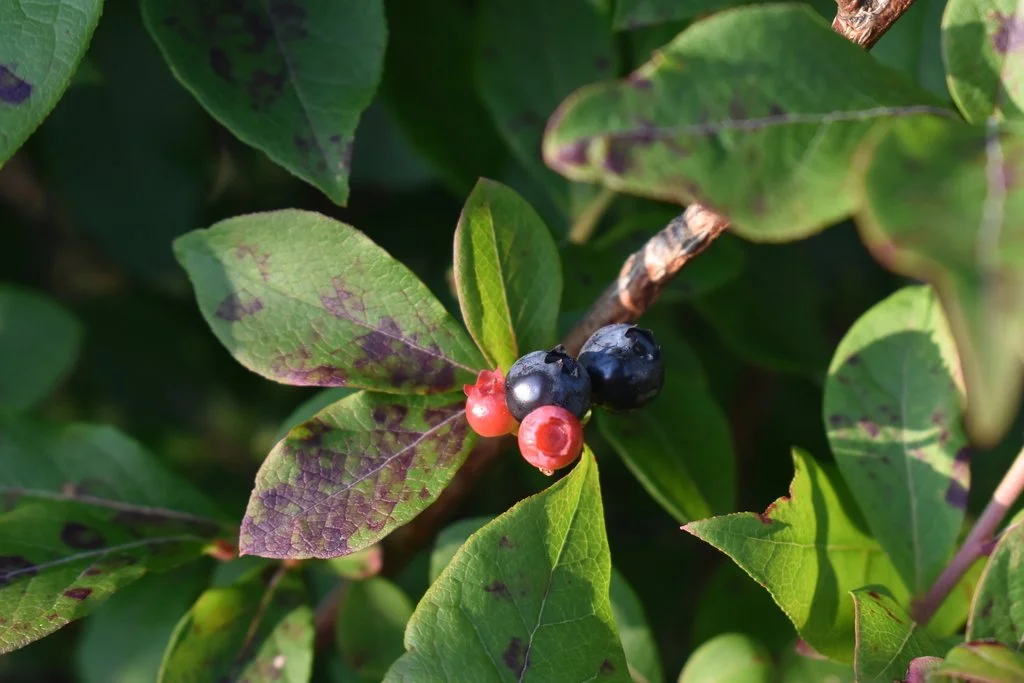
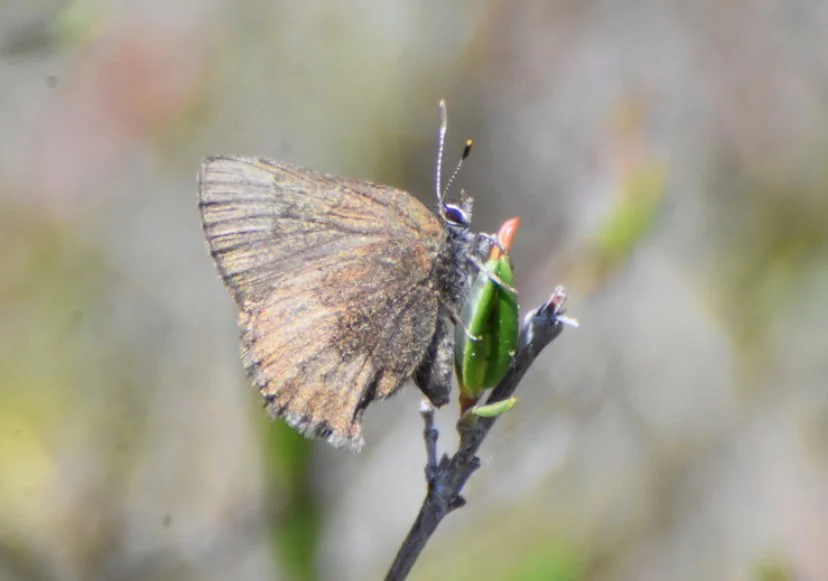
Some of our wildlife rely on specific plants, called “host plants,” for food, shelter, or reproduction purposes. Many insects and pollinators will develop highly specialized relationships with certain plants, and without them, the species could not survive. The Blue Ridge Blueberry (Vaccinium pallidum), briefly mentioned earlier, is a host plant for the Brown Elfin Butterfly (Callophrys augustinus), which favors blueberry plants by laying their eggs directly on their unopened flower buds. As the caterpillars hatch they burrow into the buds and young fruits to continue their growth. So if you’re a fan of foraging, blueberries remember to share with the butterflies that enjoy them too!
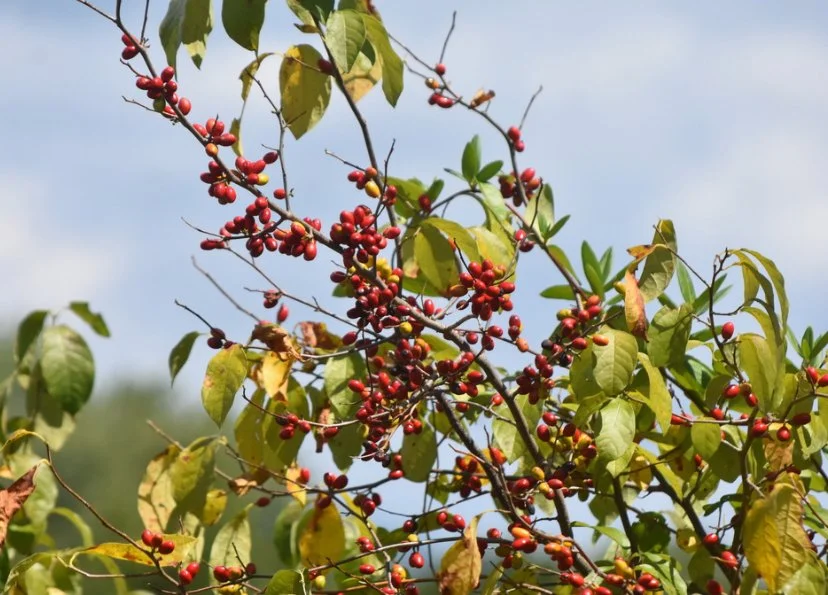
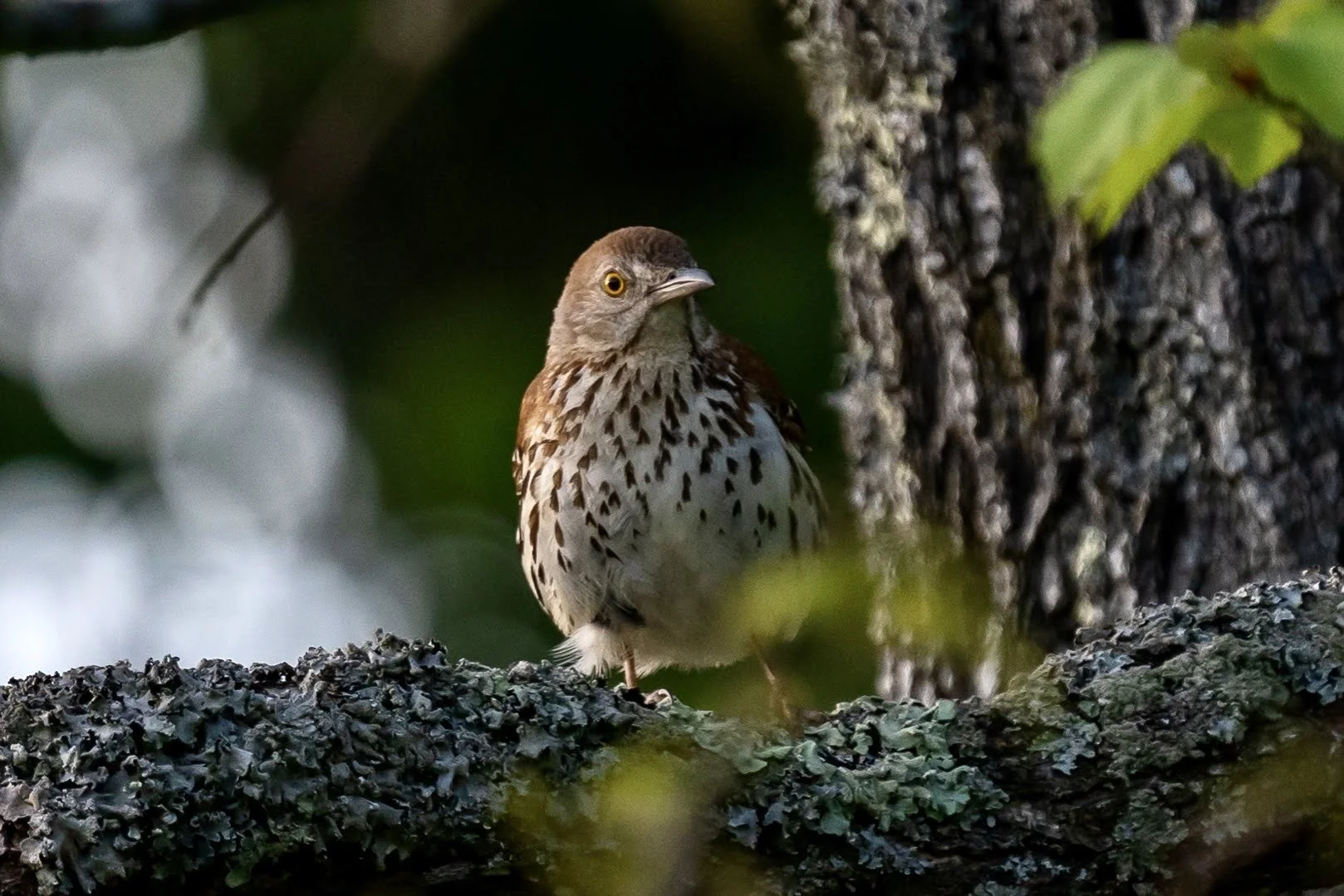
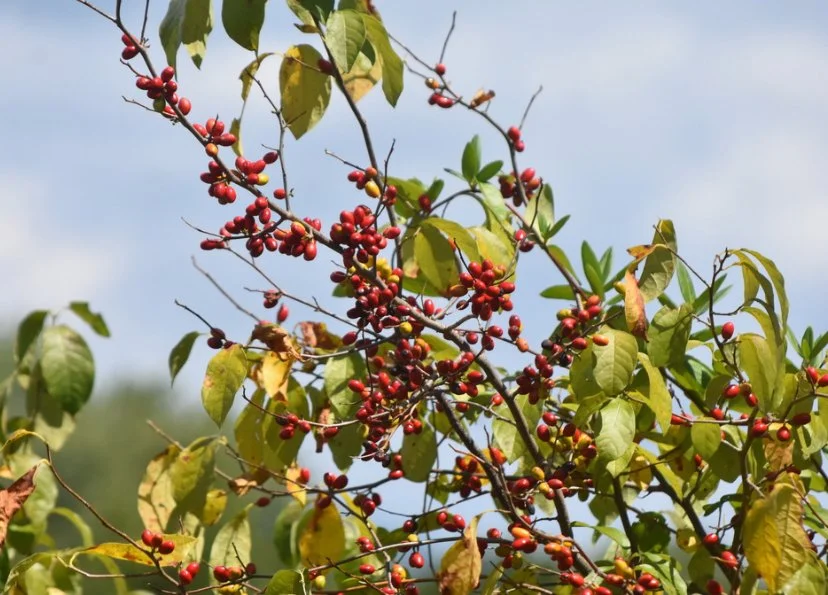
Fruiting shrubs like the spicebush (Lindera benzoin), produce small berry-like fruits that are consistent favorites of many species. The spicebush swallowtail (Papilio troilus), as well as many other insect species, lay their eggs underneath the plant's leaves. Deer, rabbits, and birds enjoy eating the small fruits, especially the wood thrush (Hylocichla mustelina), a small bird that thrives off of the high fat contents within the berry. Spicebush is a reliable energy source for many animals who share the plant. (But if these animals could talk it’s certain many of them would disagree with the idea of “sharing!”) Yet, it is true, animals will share certain parts of the same plant.
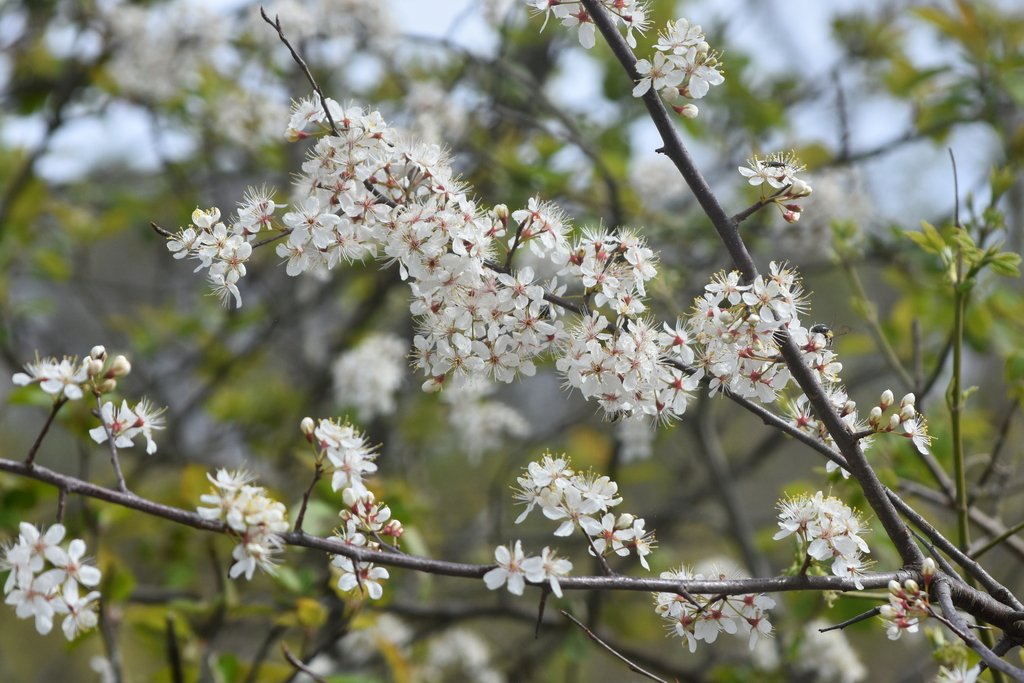
American plum (Prunus americana) in bloom. Photo by Cade Campbell.
A final example of these amazing summer fruits we share with our wildlife is the declining American plum. (Prunus americana) Shared by many animals, this amazing fruit is a delicacy to us humans as well as the critters. Sadly, there has been a rapid decline due to loss of habitat, pollution, and disease. Especially the encroachment of pathogenic fruit this phenomenon takes place when high insect-mediated stress occurs. The American plum is a keystone species within our forests providing delicious fruit, strength, and shelter to those who visit.
All of these fruits mentioned can be found out here in our backyard! As the season of fruit kicks into full swing, remember who else is enjoying a juicy snack deep in the leaves. It’s so important to protect what our region offers so that we can all have a refreshing summer treat.