

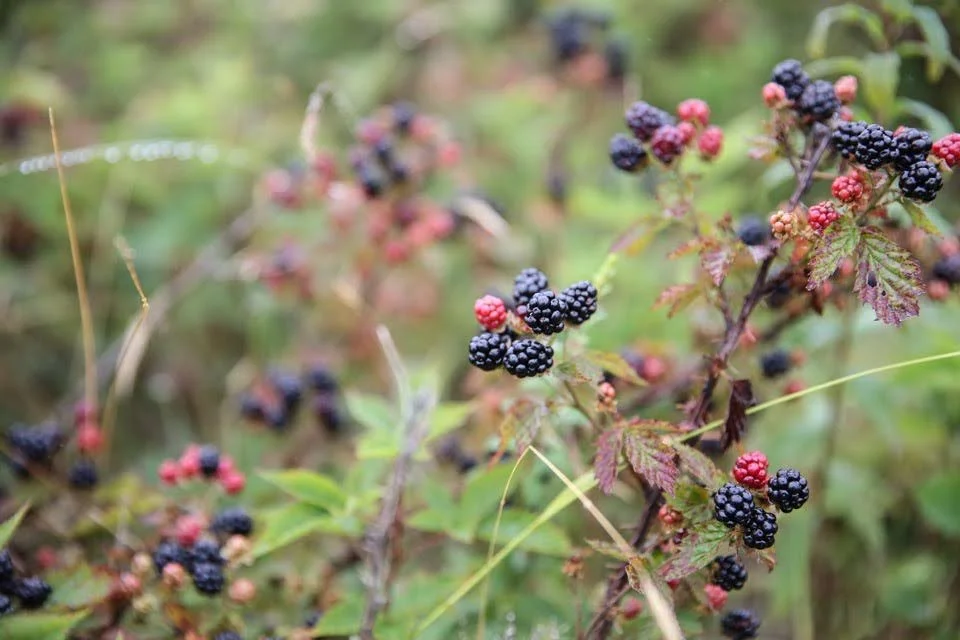
The Sweet Taste of Summer: Summer Fruits
How’s your garden growing? Mother Nature’s garden is abundant this time of year! The high country is ripe with summer fruits and we aren’t the only critters enjoying the bounty.
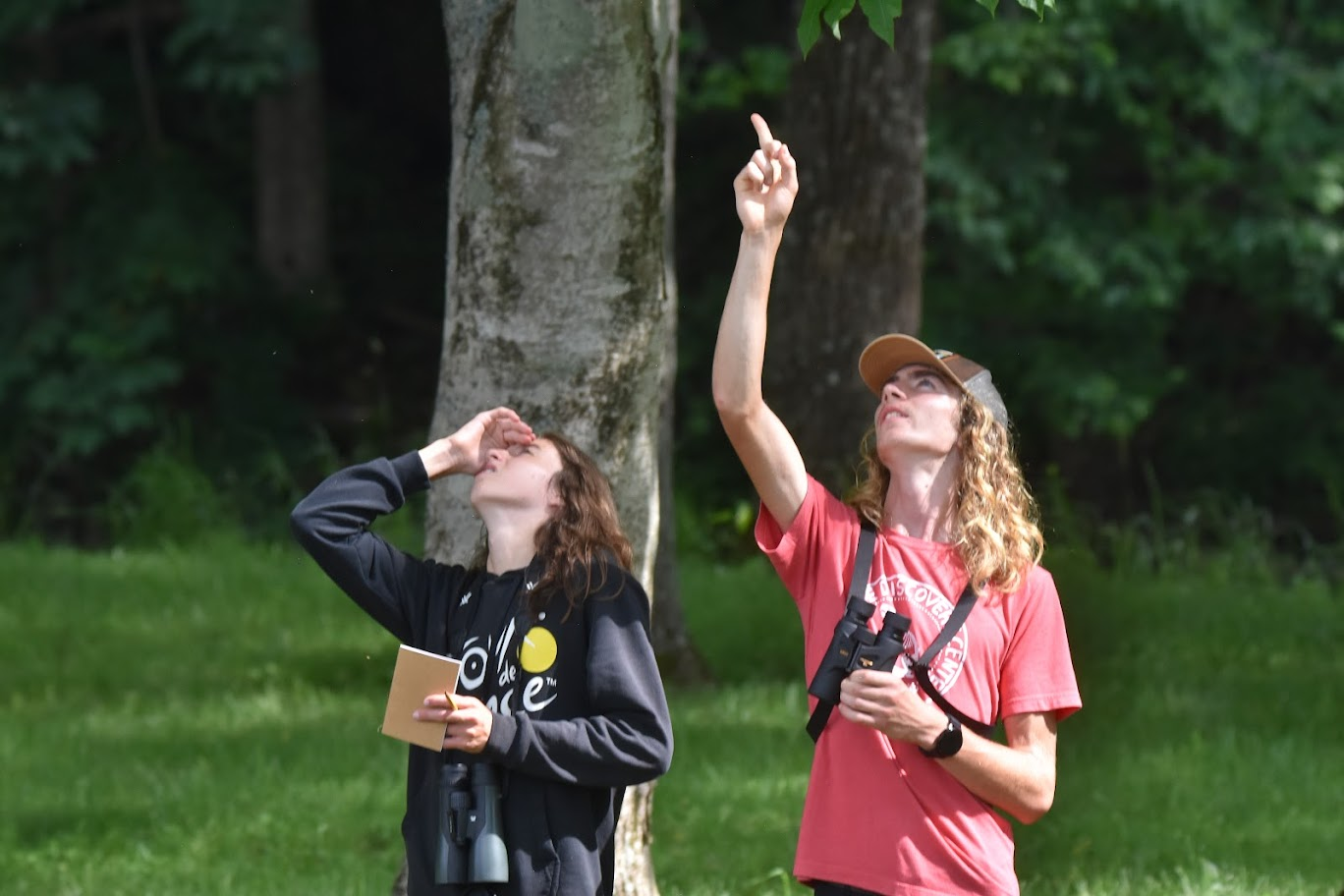
Ornithology Camp 2026
Ornithology Camp 2026 was an outstanding expedition across Virginia’s highest peaks and into the most picturesque valleys, tracking down species never before seen on Blue Ridge Discovery Center excursions and ending a total count of a record-breaking 101 species!
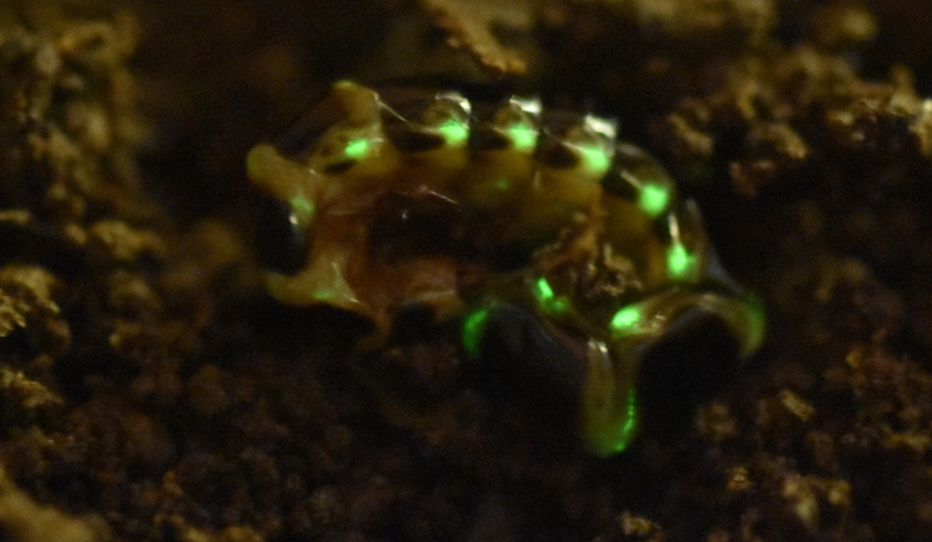
Dark Skies: Conserving a Diminishing Resource
When was the last time you experienced complete darkness? You may have noticed, but dark skies are getting somewhat harder to find due to light pollution from human activity, which has detrimental consequences to our planet—and our own health. This week is International Dark Sky Week, a time to appreciate darkness, and reflect on what steps we can take to conserve dark skies!
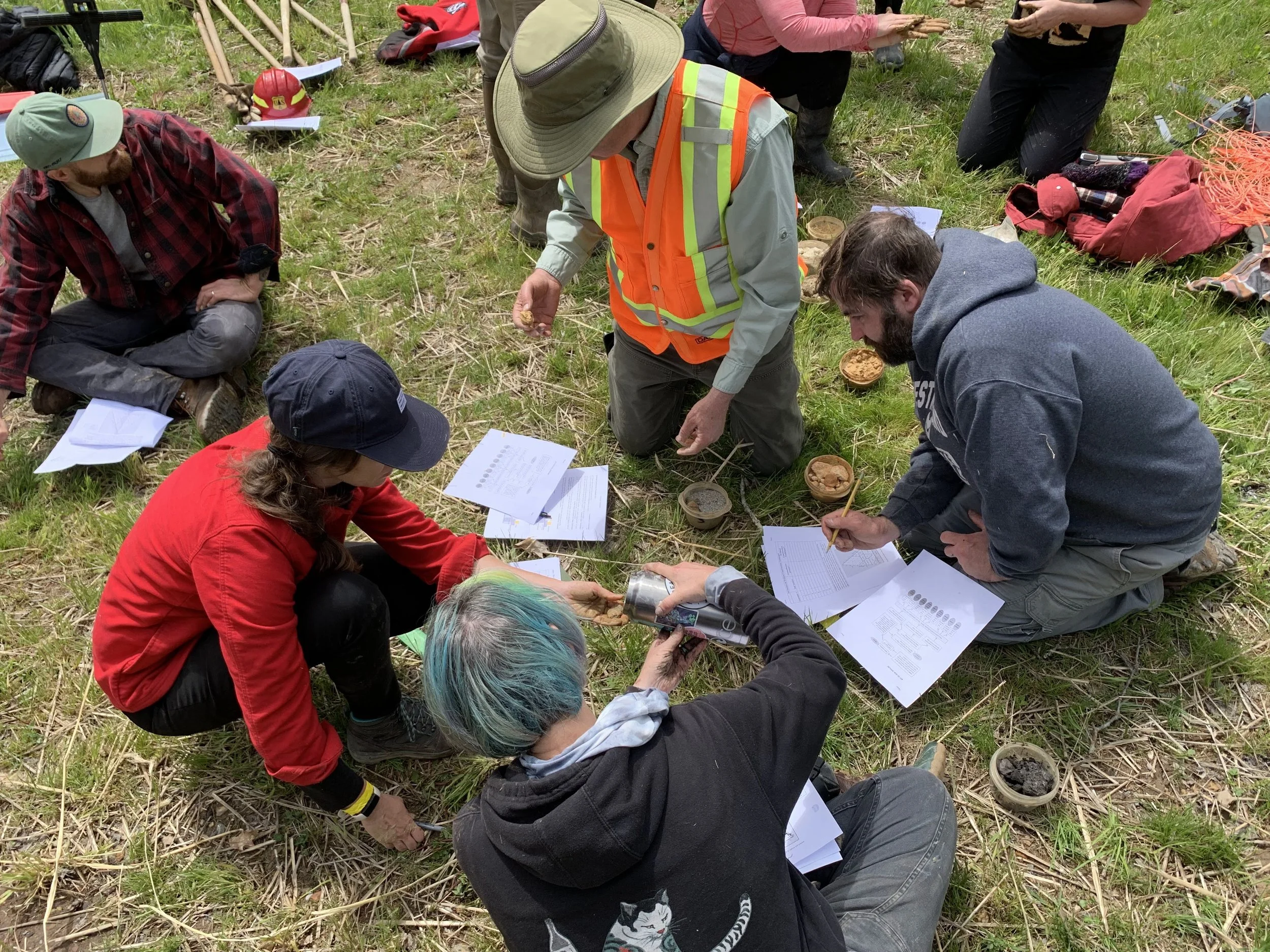
Contribute to Community (Citizen) Science this Month
Every April, we celebrate different people, projects, and scientific discoveries that are made possible through the public working with researchers on collaborative projects. Together as a community, people all around the globe practice this public participation in the scientific process with a shared goal to increase our collective knowledge. Read on to learn how you can get involved in community science at the Blue Ridge Discovery Center!
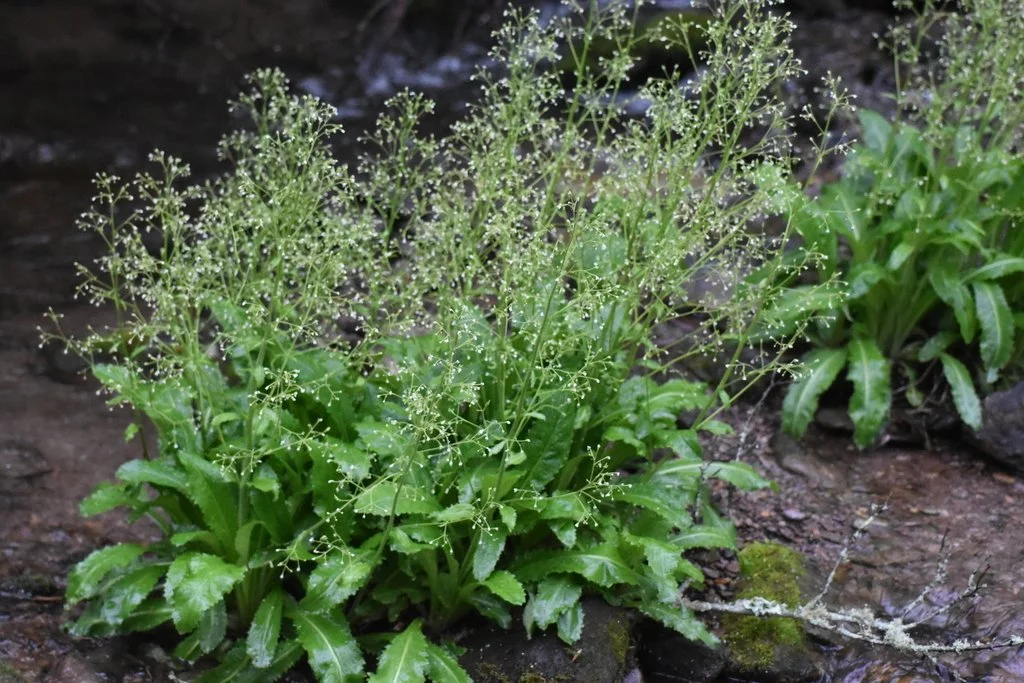
Branch Lettuce: A Taste of Appalachian Spring
At the end of every dragging, gray Appalachian winter, those of us who live in the high country long for the rush of green, verdant warmth that comes with the mountain spring. The Lettuceleaf Saxifrage (Micranthes micranthidifolia), known locally as “branch lettuce,” is one of the first signs (and delicacies) of spring, named for a semiaquatic love for small creeks and streams with crystal-clear, cascading water.
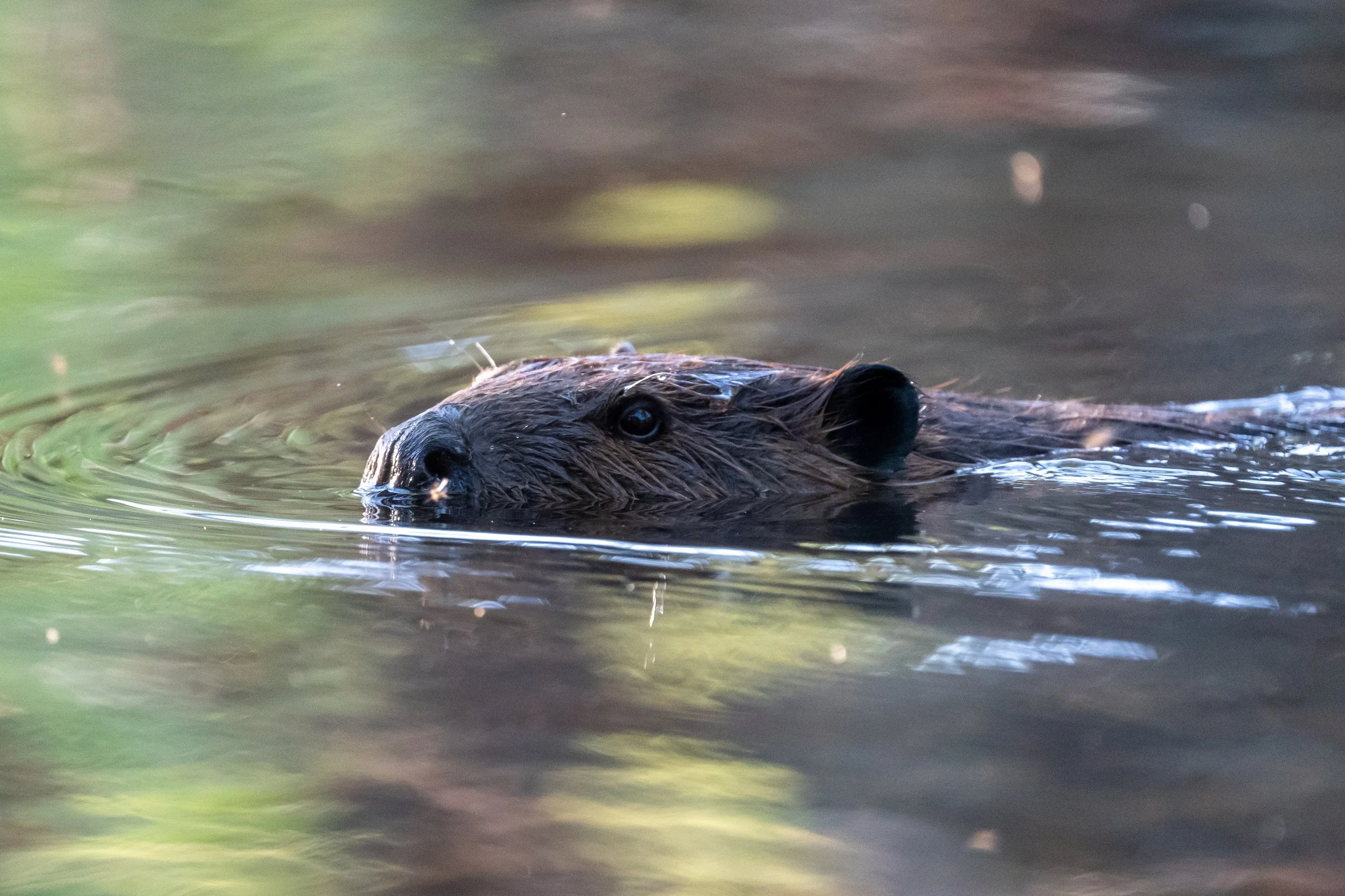
A Love Letter to Beavers
Beavers get a bad rap that they really don’t deserve. These skilled engineers are a keystone species across North America, positively altering habitat and creating entire ecosystems that benefit many more organisms than just themselves. Trapping for the fur trade and habitat destruction have reduced their numbers, but lucky for us, beavers are alive and well in our neck of the woods!
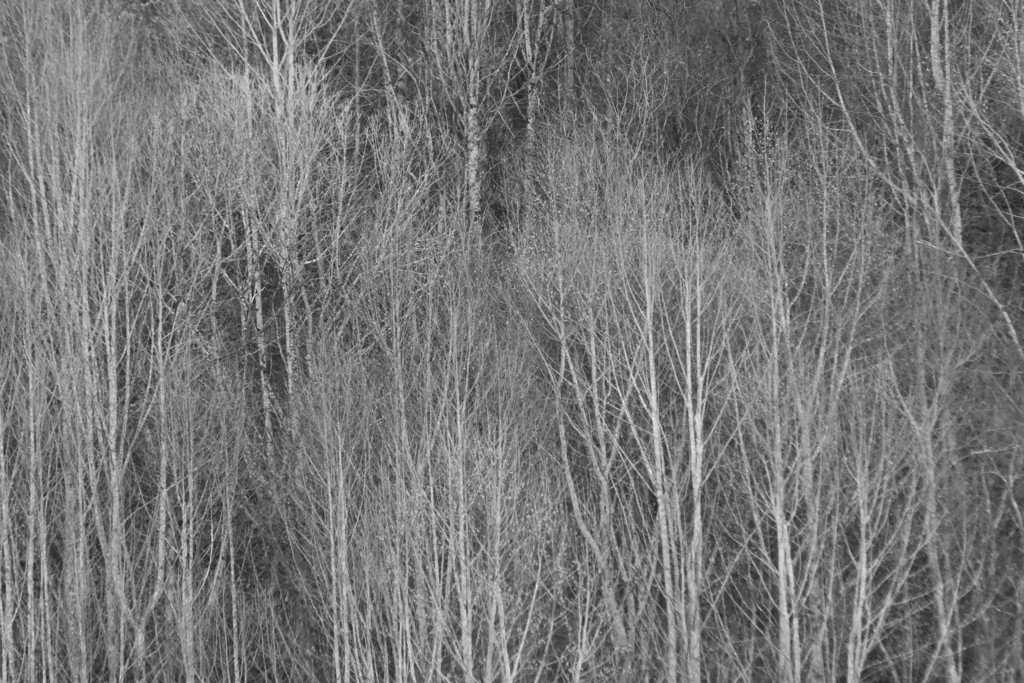
Bark, Buds, and Branching: Winter Tree ID
Maybe you got to attend naturalist Mark Archibald’s Winter Tree ID program at the Mount Rogers Winter Naturalist Rally last month, but if you didn’t, this post is for you! Just because leaves aren’t on trees right now doesn’t necessarily mean that you can’t know which trees you’re looking at. Bark, buds, and branching are key to identifying deciduous trees in winter and early spring—keep reading for an overview of winter tree ID, then take your skills to the trail and see what you can find!
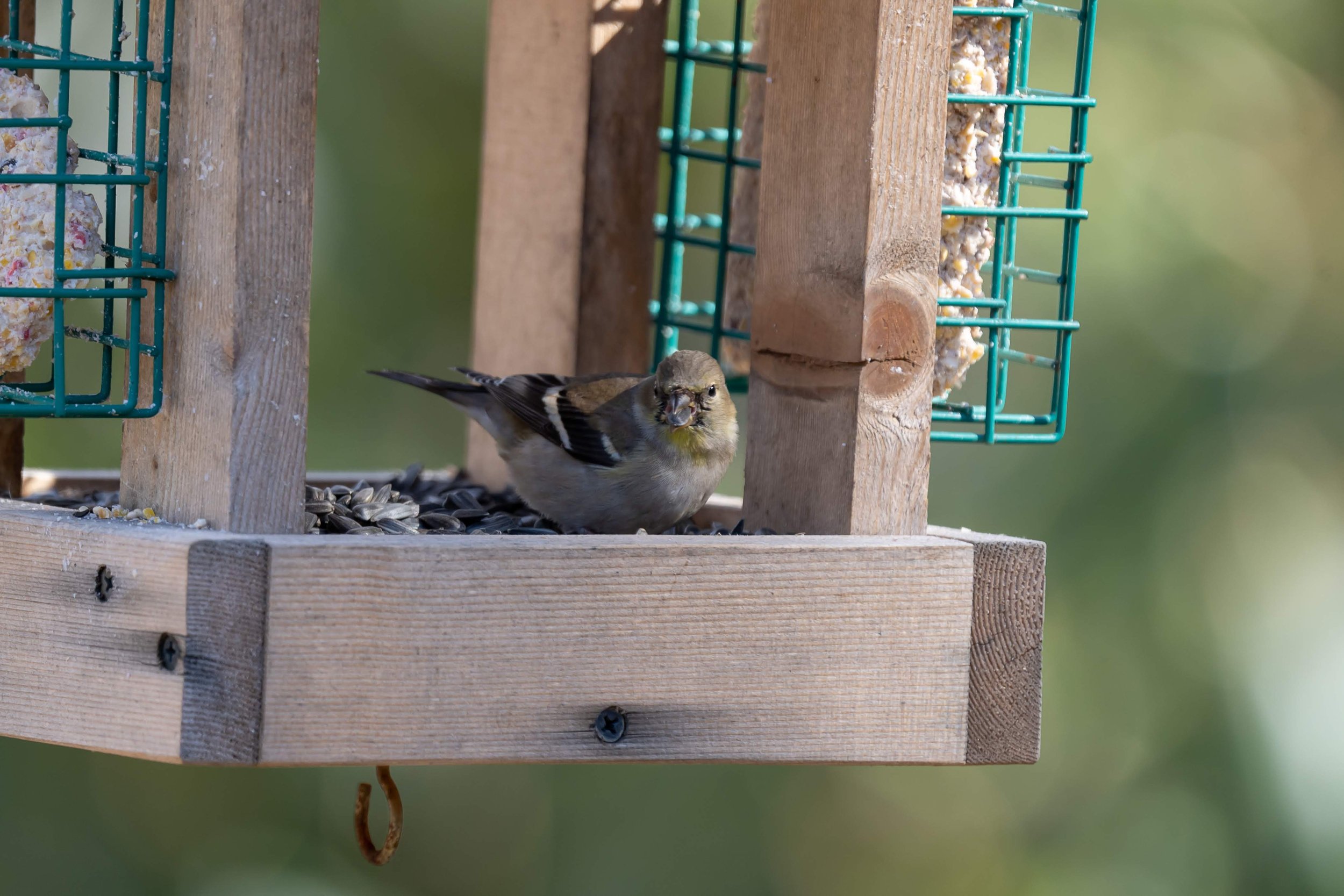
Winter Birds & Birdfeeders
Installing a birdfeeder is one of the best ways to go birding in winter! Read on for our recommendations for which feeders to use and what food types to fill them with, as well as which winter residents you can expect to see this time of year!
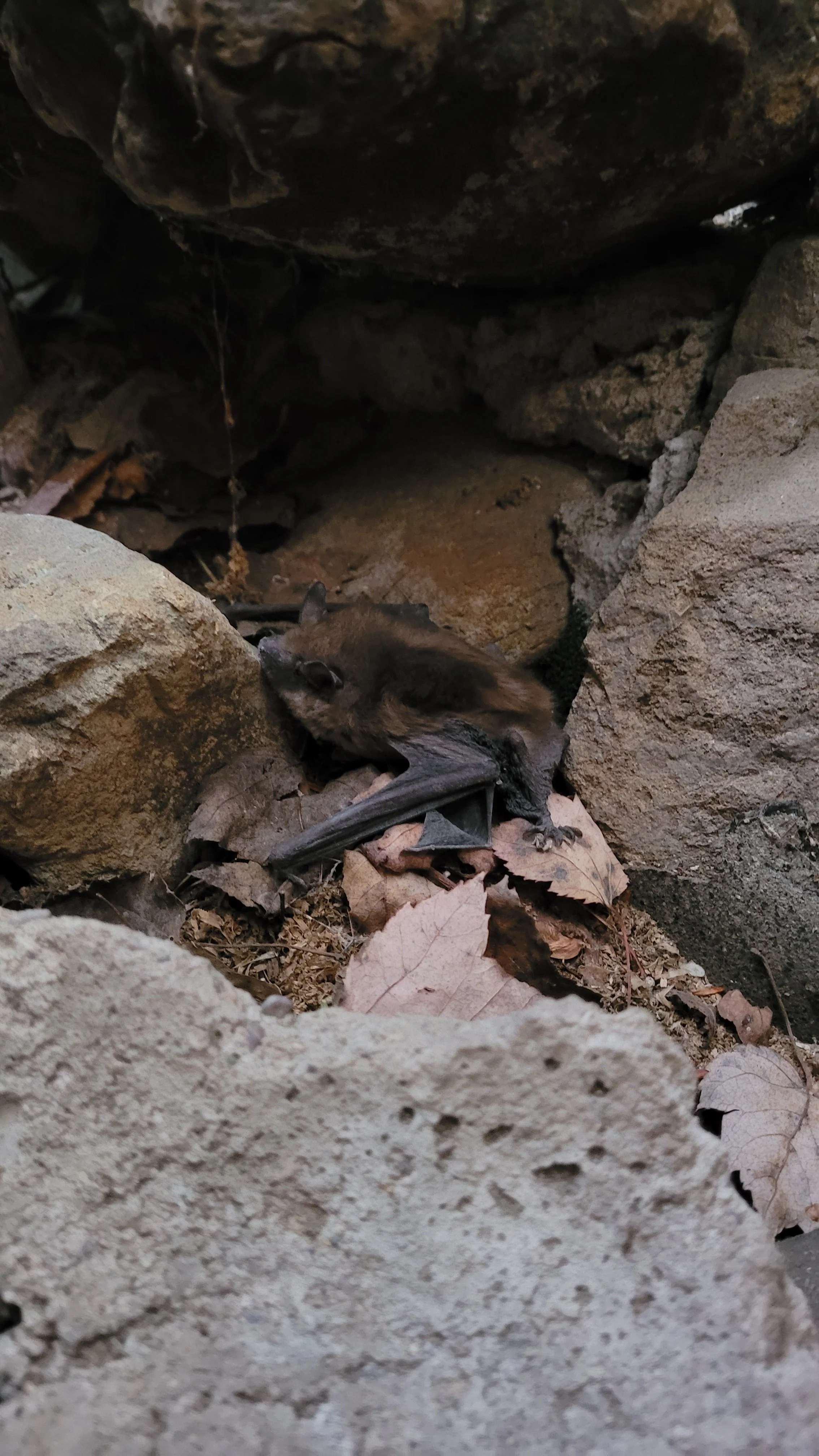
Bat Hibernation
When winter comes around, and the last of the bugs disappear until the spring, a particular group of flying mammals must find a way to survive the winter without their only food source. Bats, along with groundhogs and chipmunks, are one of the few groups of mammals in the Blue Ridge that enter a state of true dormancy or hibernation. This state of low activity and reduced metabolic rate is called torpor, a state of efficient energy consumption that lets bats go for up to a month without drinking, eating, or moving.
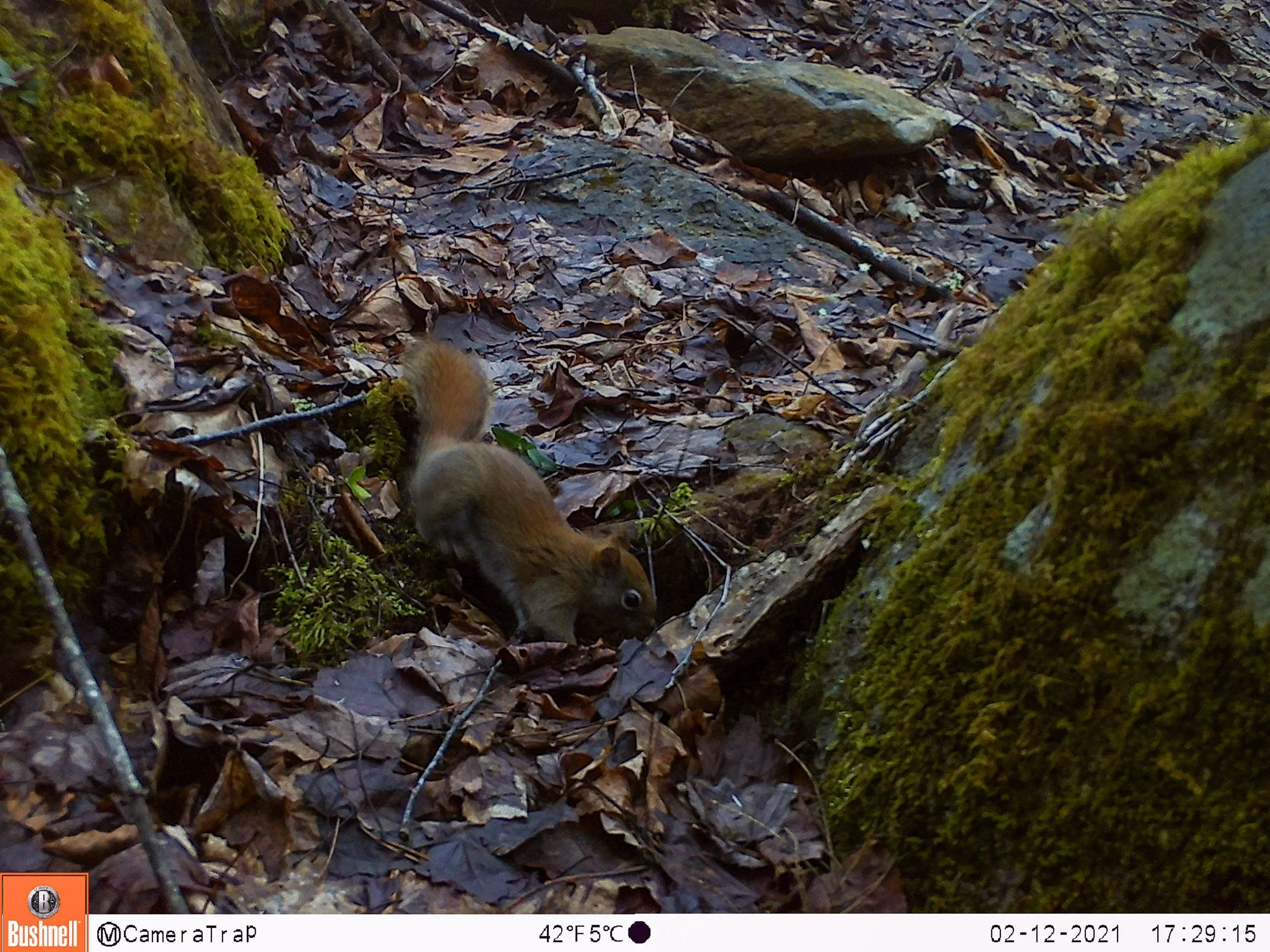
Camera Trapping: The Noninvasive Way to Capture Wildlife
Camera traps: what are they and why do people use them? And how do you set one up? Read about the role of camera trapping in wildlife monitoring and find out where you can learn to set up your own camera traps.